
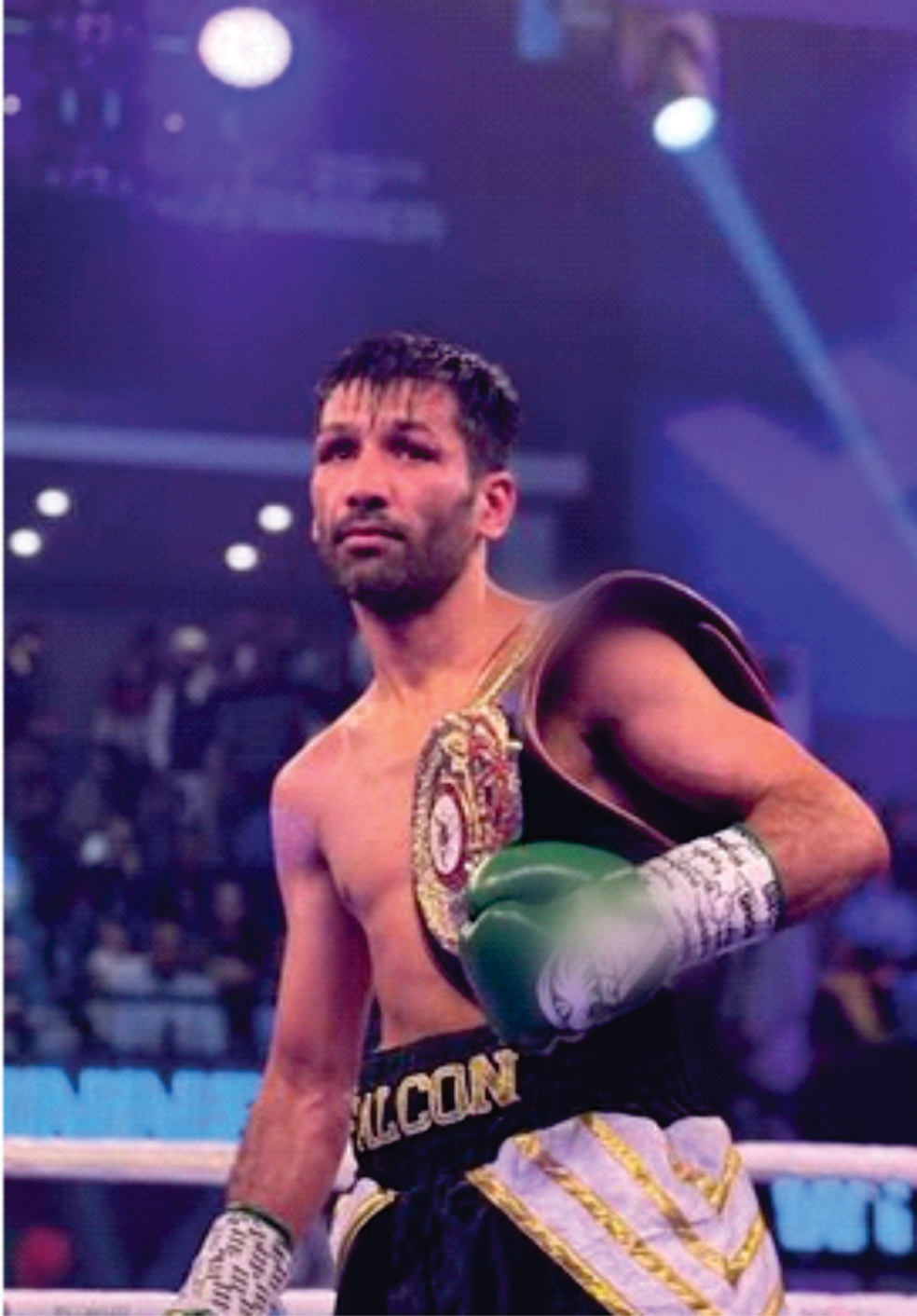
The Ascent of Muhammad Waseem, Pakistan’s First Professional Boxing World Champion
In a country where boxing rarely commands the spotlight and cricket claims nearly every headline, one man from Quetta forced the world to notice a Pakistani fighter. Muhammad Waseem, known to fans as the Falcon, is a professional boxer, a distinction that set him apart from the amateur ranks in which he first made his name and carried him instead into the paid ring, where world titles are won and legacies are built. Across more than a decade, he fought his way through arenas on four continents, and in doing so he became the first Pakistani boxer to hold a major world title. His story is not measured only in punches landed or belts raised. It is the story of a boy who turned a single boxing gym in Balochistan into the starting point of a path no Pakistani fighter had ever walked before him.
Waseem was born in Quetta, the capital of Balochistan province of Pakistan. He learned to fight on the streets of his neighborhood before his parents brought him to a boxing gym, hoping the sport would give him discipline. What he found there was something larger: a calling that would carry him from local tournaments to Olympic qualifying rings and, eventually, to a world championship belt raised over his head in his own hometown. His amateur career, the foundation from which his professional life would rise, produced a decorated run across regional and international boxing, one built under coaches including Muhammad Tariq and through training spells in South Korea, Kazakhstan,
Turkey, and Italy. He won bronze at the 2009 Kings Cup in Bangkok, then took bronze in the 49 kilogram division at the 2010 Commonwealth Games in New Delhi. That same year, he claimed silver in the 51 kilogram flyweight division at the South Asian Games in Dhaka and won gold at the inaugural World Combat Games in Beijing, defeating the Dominican Republic’s Dagoberto Aguero in the final. His finest amateur year came in 2014, when he travelled to Glasgow for the Commonwealth Games and fought his way to the flyweight final, taking silver after a hard fought bout against Australia’s Andrew Moloney. Weeks later, at the Asian Games in Incheon, South Korea, he added a bronze medal in the same division. Few fighters from his country had built a resume like it, and fewer still had done so with a national boxing program offering so little funding or support.
Then came the leap that would define him. Waseem turned professional in 2015 and made his professional debut against Min Wook Lee, winning by technical knockout in the ninth round. It was the first step of a professional journey that would ask everything of him and give him, in return, a place in history. He moved through the flyweight ranks with a style built on speed and precision, the same qualities that had earned him his nickname.
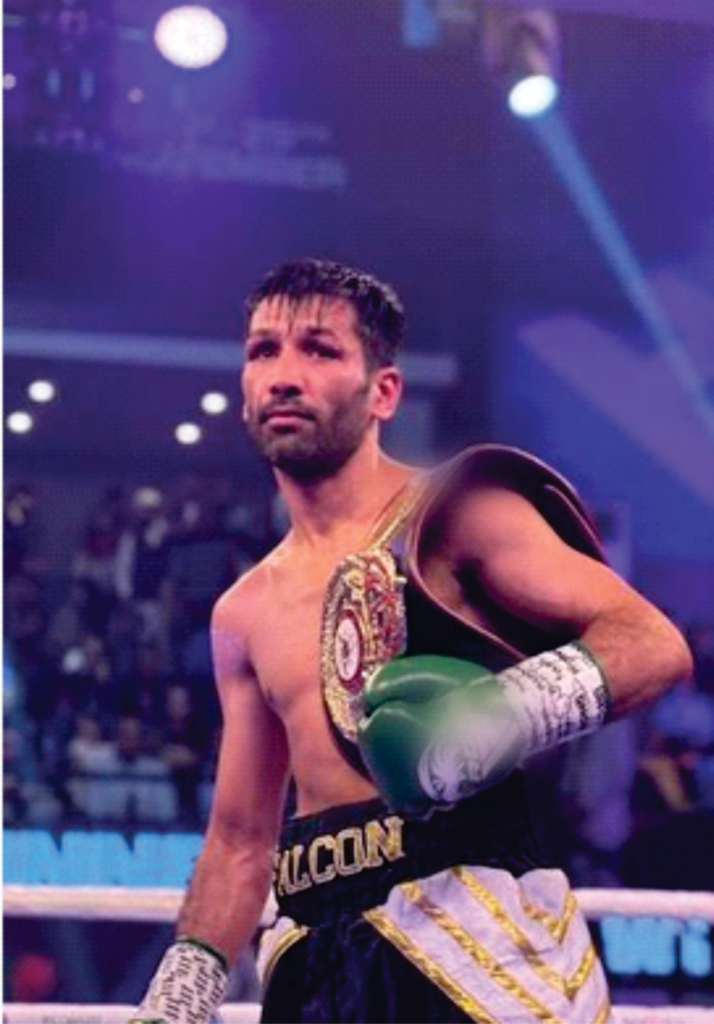
In 2016, he won the World Boxing Council (WBC) Silver Flyweight title in Seoul, becoming the first Pakistani boxer to claim a professional title of that stature and Pakistan’s only world title holder in the sport at the time.
By December 2021, Waseem reached the number one ranking in the World Boxing Association (WBA) flyweight division, the first Muslim and the first Pakistani boxer to hold that position. That same month, he won the WBC Silver title a second time Waseem returned to training, this time in Liverpool, and rebuilt himself for one more attempt at history. In May 2025, he stepped into the ring in his home city of Quetta and defeated Venezuela’s Wiston Orono by ninth round technical knockout to win the WBA Gold Bantamweight title. The victory made him the first Pakistani professional boxer to win a major world championship, a milestone that generations of fighters before him, amateur and professional alike, had reached for and never touched.
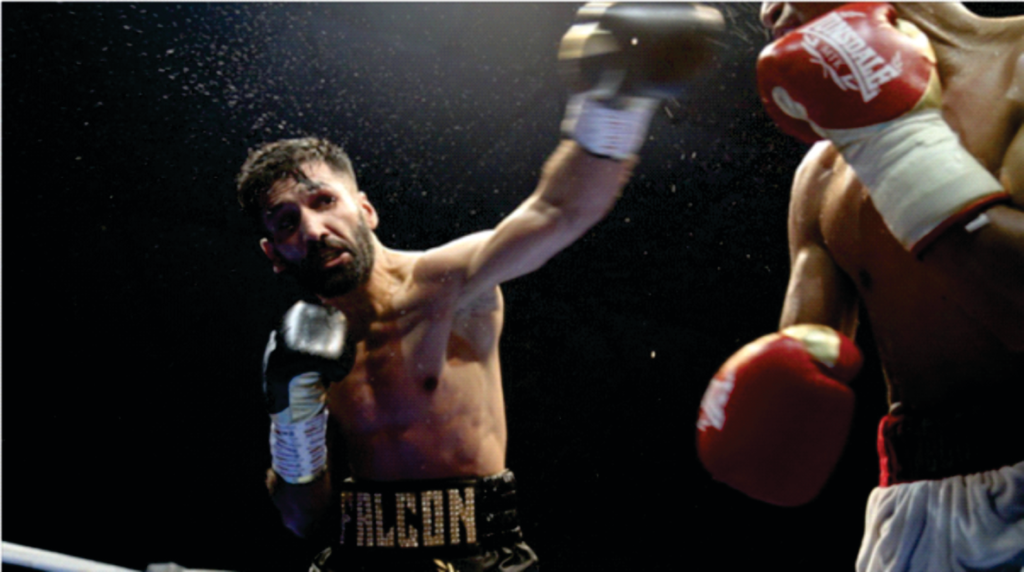
Waseem defended that title again on November 29, 2025, in Lahore. He won, and he kept his belt. As of that fight, his professional record stood at fourteen wins and two losses in sixteen bouts, with ten wins coming by knockout, a mark that sits alongside a full shelf of amateur medals, from Commonwealth silver to Asian Games bronze to South Asian Games silver, as evidence of a career built on both ends of the sport.
Waseem has spoken with quiet clarity about what carried him through the setbacks and the long years away from his family. He believes in building opportunities for young fighters that he never hadThat single statement reveals what sets him apart from any list of medals and titles. He did not simply rise from amateur silver to professional gold. He proved to an entire generation of young Pakistani athletes that a world crown was within reach for someone who began with nothing more than a gym in Quetta and the will to keep training long after others would have stopped.
The Falcon’s flight carried him from a bronze medal in Bangkok to a silver medal in Glasgow, from bronze in Incheon to gold and silver in his home country’s professional rings, through defeat, through years without a national program built to support him, and through a retirement that did not hold. Each time, he answered adversity by returning to the ring older, sharper, and more resolved than before. For a nation still finding its place on the world stage of boxing, Muhammad Waseem stands as living proof of what is possible: that talent from the smallest gym can rise through every level of the sport, amateur and professional, to meet the largest stage, and that the first champion, once he arrives, opens the door for everyone who follows. His ambition, his drive and determination cannot be caged!
Leave a Reply