How a sovereign wealth fund’s bid to remake professional golf produced five turbulent years, a landmark antitrust truce, and, in 2026, a sudden withdrawal of the money that built it.
A Provocation Takes the Field

In 2021, word spread through professional golf that Saudi Arabia’s sovereign wealth fund, the Public Investment Fund (PIF), intended to bankroll a rival tour built around a format the established game had never seriously tried: fifty four holes, no cut, shotgun starts, and both individual and team competition played out over three days. By the middle of 2022, that plan had a name, LIV Golf, a commissioner in Greg Norman, and a debut event outside London that drew far more attention for its checkbook than for its leaderboard.
LIV’s founders did not present the venture as a mere alternative tour. They framed it as a corrective to a PGA Tour they described as a closed shop that had grown complacent on the strength of its monopoly over top level competition. That argument gave LIV a public rationale beyond money, even as money did almost all of the recruiting. Phil Mickelson, Dustin Johnson, Bryson DeChambeau, and Sergio Garcia were among the first stars to sign, followed over the next two years by Brooks Koepka, Cameron Smith, and, in a deal reported to run into the hundreds of millions of dollars, the reigning world number one, Jon Rahm, in late 2023.
The Price of Disruption
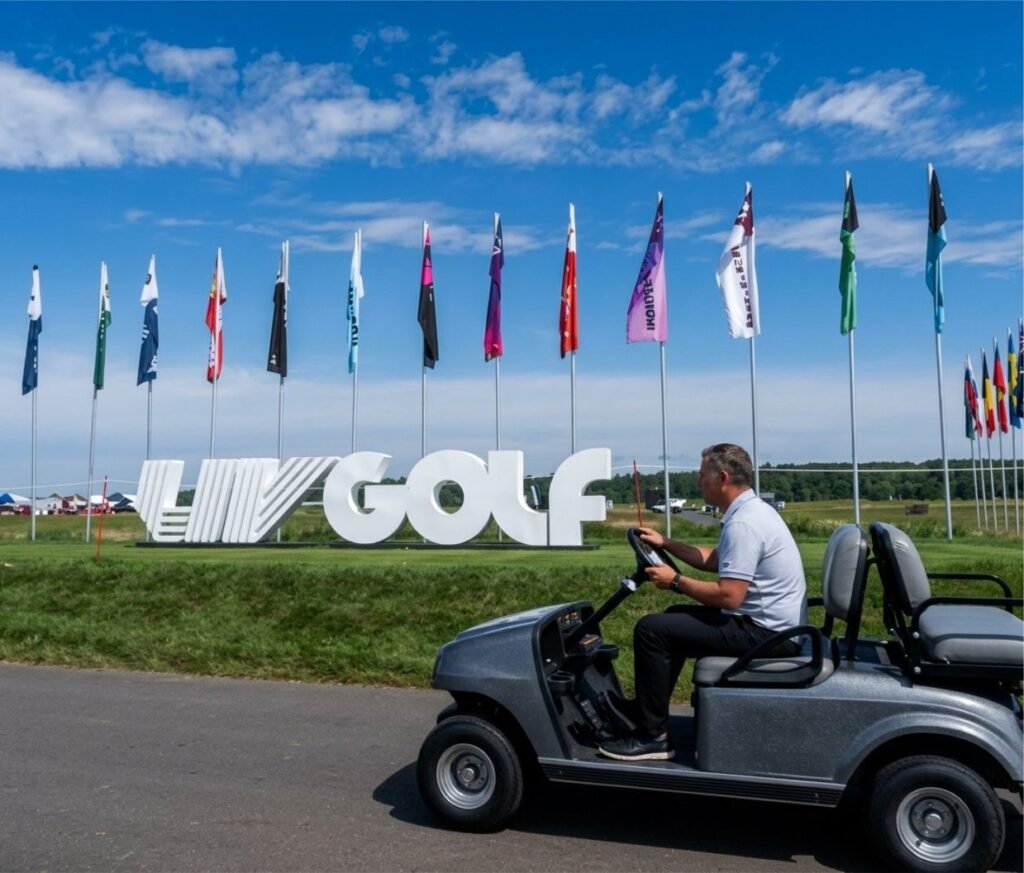
Whatever else it was, LIV Golf was an extraordinary financial commitment. The Public Investment Fund is reported to have put more than five billion dollars into the league across its first five seasons, a figure that covers signing bonuses, guaranteed player salaries, purses of twenty five million dollars or more per event, and the operating costs of a global tournament calendar built from scratch. Individual contracts dwarfed anything golf had offered before; Mickelson and Rahm were each reported to be in line for two hundred million dollars or more over the life of their deals.
The commercial return never matched the outlay. LIV signed broadcast agreements, first with the CW network and later with Fox, and brought in sponsors including Rolex, HSBC, and Salesforce, and by 2026 the league was generating meaningfully more revenue year over year than it had at launch. Even so, its non-United States operations alone reported losses of close to six hundred million dollars in 2024, and television audiences remained well behind those of the PGA Tour. A tour built to disrupt an established order had, after five years, disrupted the market for elite players without building a self-sustaining business of its own.
A Tour Divided
The PGA Tour’s initial response was disciplinary rather than commercial. Any member who competed in a LIV event without the Tour’s release was suspended, on the grounds that LIV violated the Tour’s rules on conflicting events and media rights. Eleven suspended players, later reduced to seven, sued the Tour in August 2022, alleging that the suspensions amounted to an illegal group boycott and monopolization under the Sherman Antitrust Act. LIV itself joined the case that November, and the Tour countersued. The dispute drew in the United States Department of Justice, which opened its own antitrust inquiry into the Tour’s conduct, and it produced a parallel fight over whether the Public Investment Fund and its governor, Yasir Al Rumayyan, could claim sovereign immunity from giving testimony.
The Tour did not rely on litigation alone. Facing continued defections, it raised prize funds sharply, introduced a slate of high purse elevated events, and restructured its schedule to compete for players’ attention as much as for their loyalty. By the spring of 2023, both sides had spent tens of millions of dollars in legal fees, and neither had gained a decisive advantage in court.
An Uneasy Truce
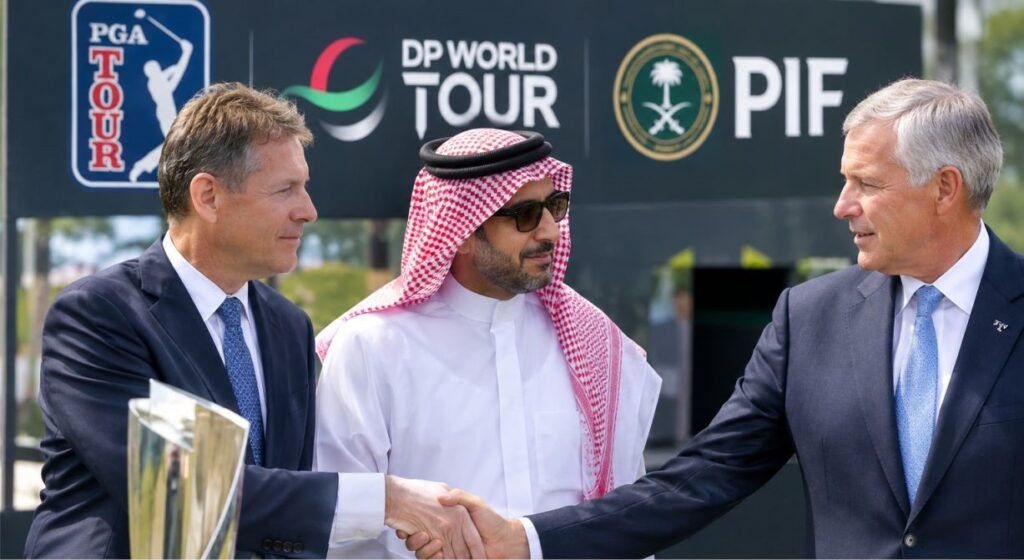
Then, on the sixth of June 2023, the two sides stunned the sport. The PGA Tour, the DP World Tour, and the Public Investment Fund announced a framework agreement to combine their commercial operations into a single new entity, later structured as PGA Tour Enterprises. All pending litigation was dropped with prejudice within ten days, closing off the discovery fight over Al Rumayyan’s testimony along with everything else. The framework set a year-end deadline to finalize the merger. That deadline passed without a completed deal, and the agreement drew a Senate inquiry and a Justice Department review of its own, on the theory that a combination between two of the sport’s dominant commercial forces raised the same competitive concerns the original lawsuit had alleged against the Tour alone.
With the PIF talks unresolved, the PGA Tour moved to secure its own capital. In January 2024, it struck a separate three billion dollar deal with Strategic Sports Group, a consortium of American sports team owners led by Fenway Sports Group’s John Henry, which launched PGA Tour Enterprises with an initial one and a half billion dollar investment and, in an unusual step for the sport, made nearly two hundred Tour members equity holders in their own league. The agreement left the door open for the PIF to join later as a co investor, subject to regulatory approval. Through 2024 and into 2025, that co investment never arrived, and the full unification promised in 2023 remained, in practice, an unfinished sentence.
The Money Runs Dry
The end came from the same source that had made LIV possible. On the thirtieth of April 2026, the Public Investment Fund confirmed that it would fund LIV Golf only through the close of the 2026 season, after which its backing would stop. Its statement was blunt about the reasoning: continued investment at the scale LIV required was, in the fund’s words, no longer consistent with the current phase of PIF’s investment strategy. The statement pointed to shifting investment priorities and prevailing macroeconomic conditions, language that observers linked to broader pressure on Gulf financial markets amid regional instability. Al Rumayyan stepped down as chairman of LIV’s board, though he remained governor of the PIF, and the league formed a committee of independent directors to weigh its options.
“The substantial investment required by LIV Golf over a longer term is no longer consistent with the current phase of PIF’s investment strategy.”
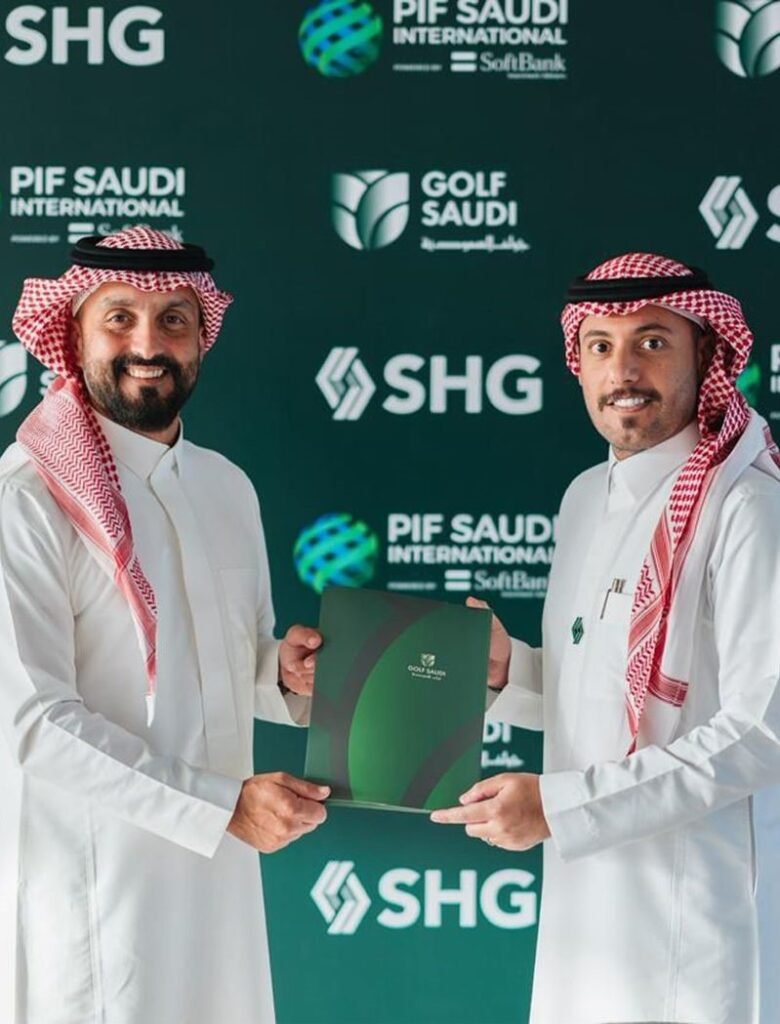
Three threads explain the decision as well as any single one. First, the arithmetic never closed: five years and more than five billion dollars had not produced a path to profitability, even as revenue grew. Second, the anticipated merger with the PGA Tour, which would have folded LIV’s losses into a larger, better capitalized structure, never closed either, leaving the league to stand alone against costs it could not cover from its own operations. Third, PIF’s broader appetite for open ended, loss making sport ventures appears to have narrowed as the fund weighed its commitments against other priorities and against a less favourable regional and global economic climate. Critics of the original investment had long argued that its purpose was reputational rather than commercial; PIF’s own statement made no such claim, framing the exit strictly in terms of investment strategy, and the league’s remaining executives took a similar line, thanking the fund for the time it had provided to find new backers.
What followed was a rapid unwinding. LIV cancelled its Louisiana event in June as funds tightened. In June, chief executive Scott O’Neil described the league as approaching a funding cliff and said he had to trust PIF’s public commitment to see out the season.
A Sport Reshaped, an Experiment Unresolved
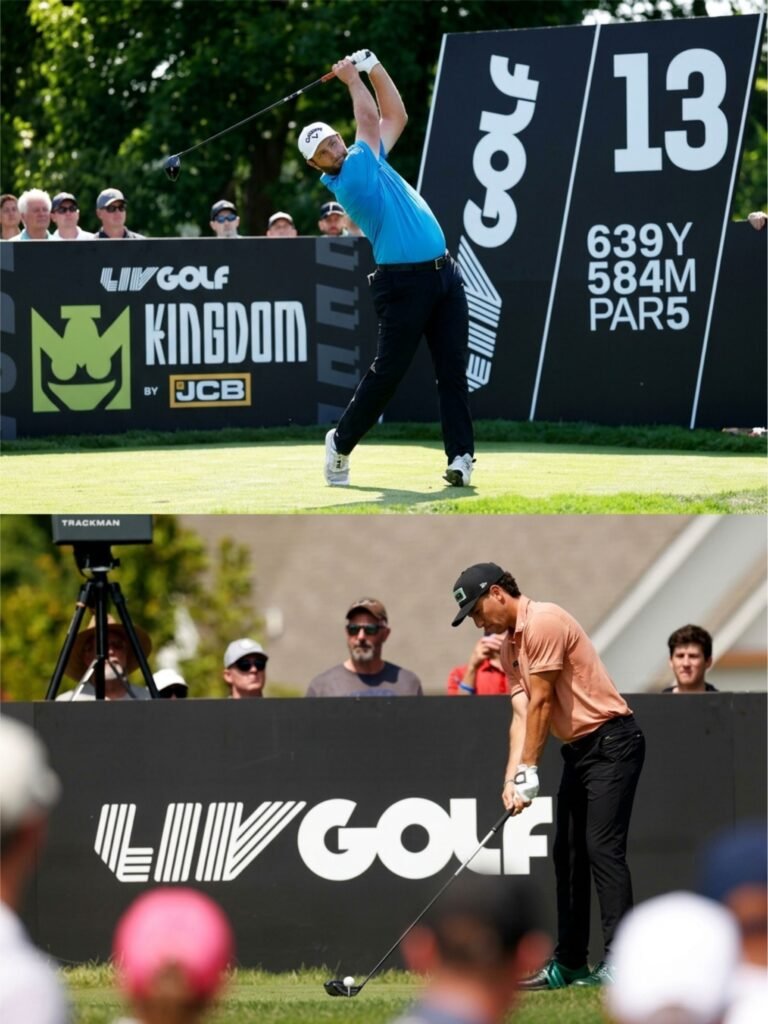
Whatever shape LIV Golf takes once PIF’s money is gone, its five years have already changed the sport that tried to outlast it. PGA Tour prize funds are permanently higher than they were in 2021. Its members now hold equity in their own league for the first time in the Tour’s history. No cut, team based golf has proven there is an audience for formats the sport once treated as fixed. And the pursuit of a full merger, still unfinished after three years, has left both the Tour and the wider game with an open question about how much of professional sport’s future ownership structure state capital should be allowed to hold, a question that will outlast LIV Golf regardless of how its restructuring ends.
Leave a Reply