
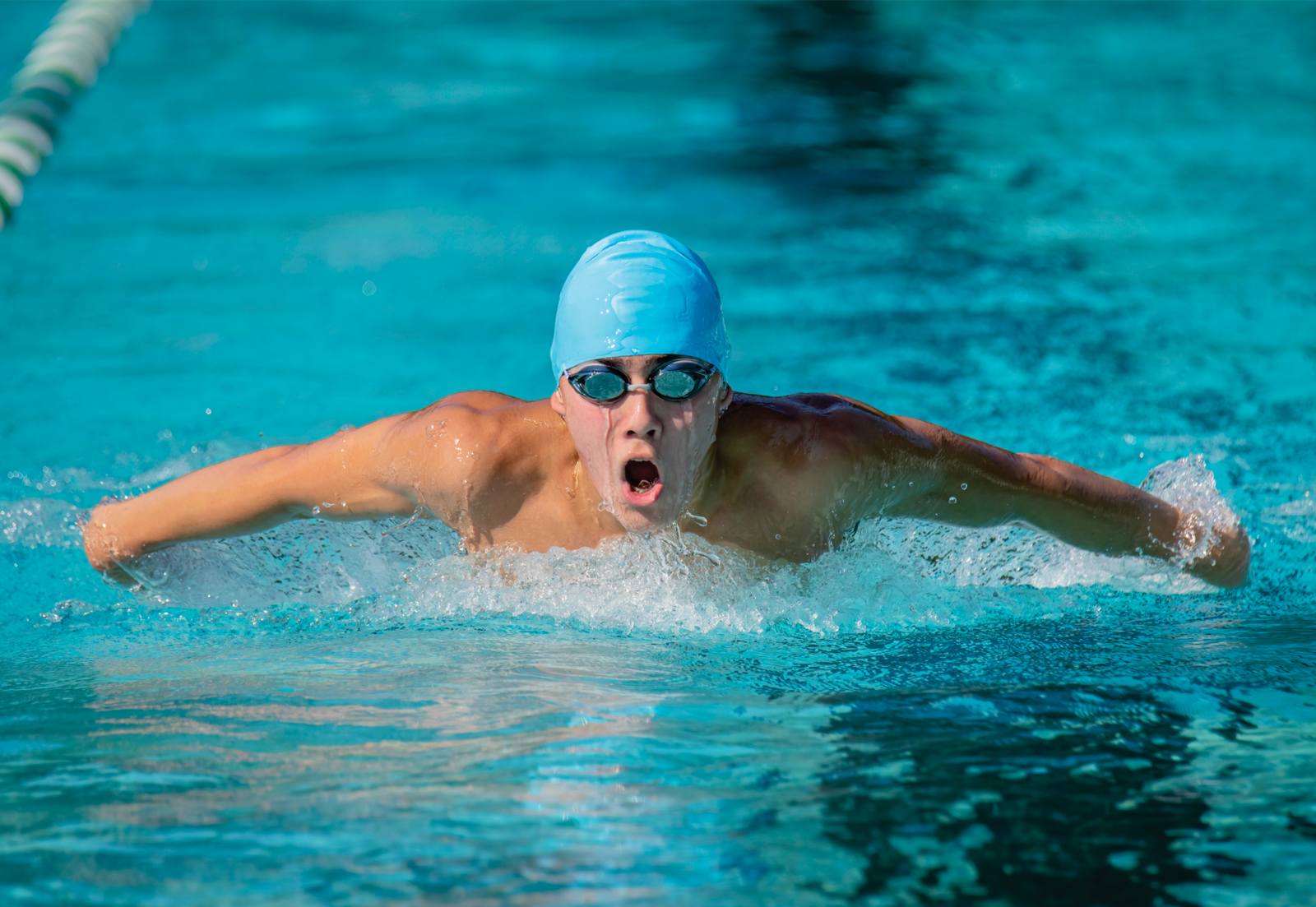
At every Olympic Games, one venue quietly decides more medal races than almost any other. The swimming pool does not draw the crowds that the main stadium draws, yet it hands out more gold than nearly every sport on the program. At the Paris Games in 2024, thirty seven gold medals were up for grabs in the pool alone, second only to track and eld among all Olympic sports. Two hundred six nations sent athletes to Paris, competing across three hundred twenty nine medal events, and the pool alone accounted for more than one in ten of them. For a country hoping to climb the medal table, swimming is not a side dish. It is the main course.
Why the Pool Counts So Much
Swimming pays out medals the way few other sports do, because one strong swimmer can enter several events. A single dominant athlete might swim the fifty meter freestyle, the hundred meter freestyle, a medley race, and two relays, and walk away with five medals from one set of legs and lungs. Multiply that across a full team, and the arithmetic turns fast. The United States has proven this again and again. Since the Beijing Games in 2008, American swimmers alone have collected fifty five gold medals, thirty six silver, and thirty four bronze, more than the next four nations combined. Australia sits a distant second with nineteen golds over the same span, followed by China, Great
Britain, and Japan. Together, these five nations have claimed roughly two thirds of all swimming medal points handed out since 2008.
At the most recent Games in Paris, the American team again topped the swimming table, with eight golds and twenty eight medals overall, ahead of Australia and the host nation, France. The gap between first and the rest of the world in the pool remains one of the widest in any Olympic sport, and it explains why national sporting bodies that take swimming seriously tend to rise steadily up the overall medal count, while those that ignore it stay stuck near the bottom.
Pakistan’s Olympic Story So Far
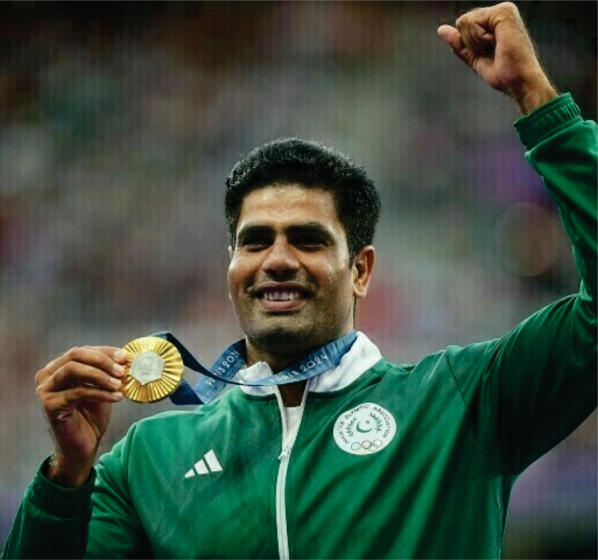
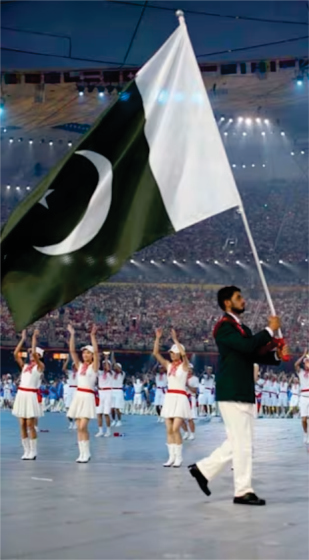
Pakistan’s Olympic history tells a story of one sport carrying almost the entire weight. Since its first appearance at the London Games in 1948, Pakistan has won eleven Olympic medals in total, four of them gold. Eight of those eleven medals came from the men’s field hockey team, which reached five straight finals between 1956 and 1972 and added a further gold in 1984. Beyond hockey, Pakistan has managed only three medals across seventy six years of Olympic competition: a wrestling bronze in Rome in 1960, a boxing bronze years later, and, most recently, a javelin gold won by Arshad Nadeem in Paris in 2024, the first individual gold in the nation’s history. No swimmer has ever stood on an Olympic podium wearing Pakistan’s colors.
A Federation Almost as Old as the Country Itself
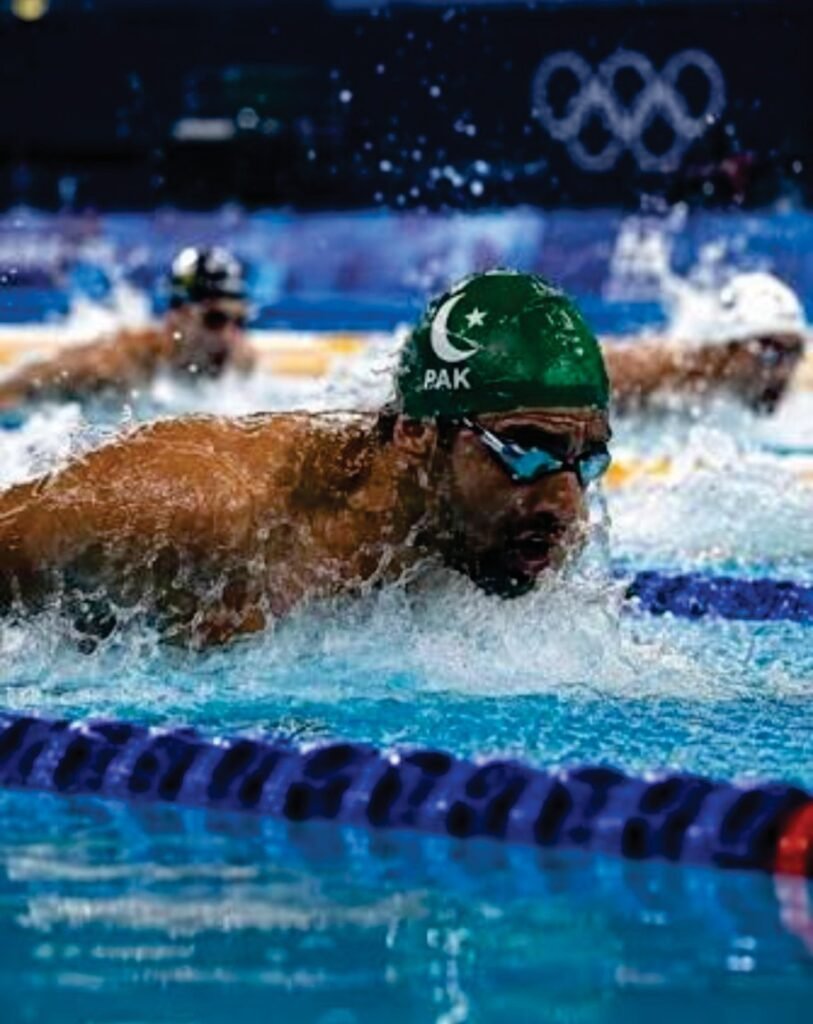
This is not a case of neglect through absence. Pakistan has sent swimmers to the Olympics since nearly the very beginning. The Pakistan Swimming Federation was formed in 1948, the same year the country first competed at the Games, and the first National Swimming Championship followed in 1951 at what is now Iqbal Park Swimming Pool in Lahore. Across the decades since, the country has sent roughly twenty swimmers to the Olympics and competed at nearly every edition of the World Aquatics Championships since 1973. Yet the results have stayed remarkably flat. At the 2024 World Championships in Doha, Pakistan entered two swimmers. At the 2025 edition in Singapore, it entered three. None advanced past the heats, and none came close to a medal.
Why the Times Have Not Improved
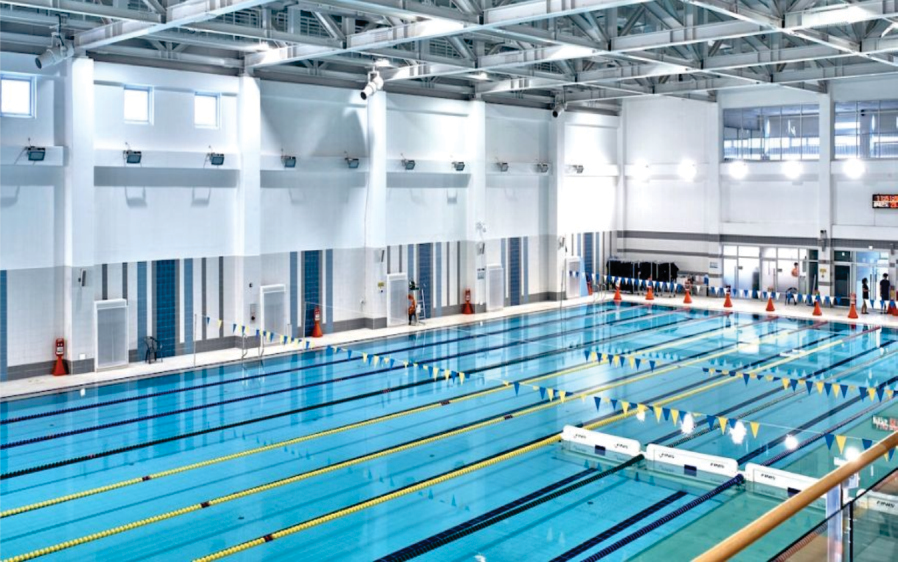
Ask the swimmers themselves, andthe same complaints surface again and again. Pools built to Olympic standard, fifty meters long with proper starting blocks and electronic timing, remain scarce across the country. Many of the pools that do exist were built decades ago and have fallen into disrepair, while newer projects have stalled for years under budget disputes between federal and provincial sports bodies.
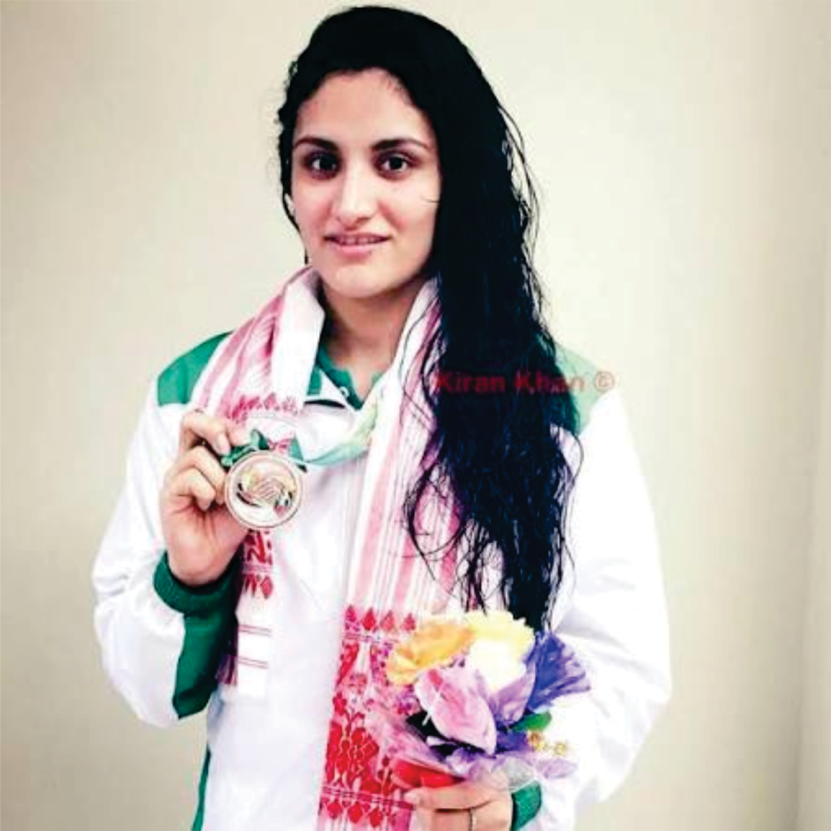
Access is unequal even where pools do exist. Kiran Khan, one of the first women to swim for Pakistan internationally, has described how the few Olympic sized pools in the country were mostly reserved for men and boys, forcing her father to build a private pool at home so she could train at all. Water scarcity compounds the problem in cities such as Karachi, where residents struggle for drinking water long before anyone considers filling a competition pool. Coaching adds a further gap. Swimmers who have represented the country at the Olympics have said plainly that Pakistan lacks qualified coaches and modern training methods, leaving the country years behind international standards.
The result is a talent pipeline that runs almost entirely through emigration. Several of Pakistan’s Olympic swimmers in recent Games grew up or trained abroad, in Canada, the United Arab Emirates, and elsewhere, reaching international pools their home country could not offer them. One swimmer who competed for Pakistan while training in Dubai spoke openly about how the world class facilities there, facilities he said outmatched anything he had seen in China, Malaysia, or Singapore, gave him a path to the Olympics that would not have existed at home.
A Sporting Culture Built Around One Sport: Cricket

None of this happens in a vacuum. Pakistan’s sporting culture, and its public funding, revolve overwhelmingly around cricket.
Even hockey, the sport that built the country’s entire Olympic legacy, has fallen from five straight Olympic finals in the 1950s and 1960s to no medal at all since 1992, a decline widely blamed on administrative neglect and underinvestment rather than any shortage of talent. If a sport with a golden Olympic history and a strong domestic following can
slide that far, a sport such as swimming, which never had comparable institutional backing to begin with, faces an even steeper climb. Reports on Pakistan’s broader Olympic struggles point to the same root causes across nearly. every sport outside cricket: administrative disorder, political interference in sports federations, and a funding system that rewards athletes only after they have already succeeded on their own, rather than investing in them beforehand.
What Would Actually Move the Needle
The nations that dominate Olympic swimming did not get there by accident. They built networks of accessible, well maintained pools, put swimming lessons into school curricula, trained coaches to international certification standards, and funded athletes through the long, unglamorous years before any medal was in sight. Pakistan would need to build several of these pieces from close to nothing: pools that are actually finished and actually open to women and men alike, a coaching pipeline trained to current international methods, and a federation with the funding and independence to plan beyond a single Olympic cycle.
There are small signs of promise. Individual swimmers keep pushing forward despite the system, and a mixture of overseas trained talent and grassroots hope keeps the country represented at the Olympics and World Championships year after year, even without a medal to show for it. Arshad Nadeem’s javelin gold in 2024 proved that a single well supported Pakistani athlete can still stand on top of an Olympic podium after decades of drought. Swimming has yet to produce that moment. Until pools, coaches, and funding catch up with the ambition of the swimmers already trying, it likely will not.
Swimming, like other sports, stands a chance to grow if private sector initiatives are welcomed. Private sector will make investments into sports if there is sustainability, pathways for growth and fair chance of results. Perhaps, private sector-led projects hold the key to ushering a new era of possibilities – one that generates champions, culture of sports across society and in turn becomes the harbinger of Olympic medals for a nation that has the potential to shine at the
Leave a Reply