
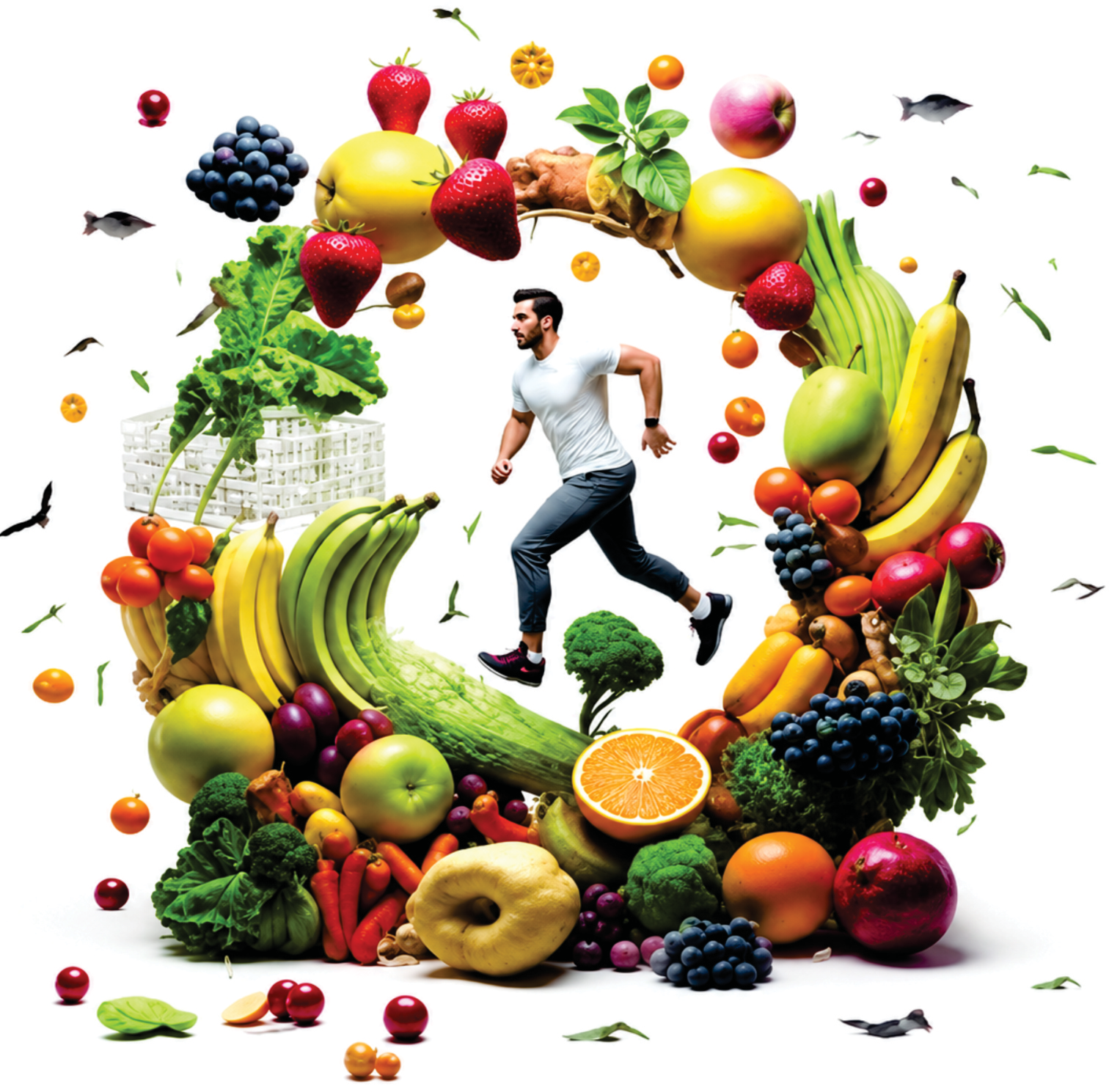
There is an old truth that cultures across the world have said in different ways. You are what you eat. The Greeks said it. The ancient physicians of the subcontinent understood it. Modern science has now conrmed it with a precision those early thinkers could not have imagined. But the science of our time has added something equally important: you are also what you play. Food and movement together, not in isolation, determine the quality of your health, the sharpness of your mind, and the length of your productive life. For Pakistan, this truth arrives at a moment of particular urgency. The country faces what nutrition scientists call a “double burden”: millions of people suffer from hunger and micronutrient deciency at the same time as rising rates of obesity, diabetes, and heart disease take hold in cities and towns. The food we eat is changing, often not for the better. The way we move, or fail to move, is changing too. And the consequences are landing on children, young adults, and the workforce that Pakistan needs to be healthy and capable.
This is not a story about guilt. It is a story about choices, and about the very practical steps that every Pakistani family can take, starting now.
Part One: The Science of Food and Body
Every meal you eat is a set of instructions sent to your body. Carbohydrates give your muscles fuel. Proteins repair and build tissue. Fats protect your organs, carry vitamins, and help make hormones.
Vitamins and minerals run the thousands of chemical reactions that keep every cell alive. When you eat well, these instructions are clear and your body responds well. When you eat poorly, the instructions become confused, and the body pays a price over time
Research published in 2024 confirms that diets high in saturated fats and sugar can impair brain performance, altering the functioning of the hippocampus and compromising memory and learning. This is not a distant risk for someone in midlife. It begins in childhood, and the effects accumulate across years
A landmark study involving researchers at the University of Warwick analysed the food preferences of nearly 182,000 participants and found a profound link between diet, superior brain health, cognitive function, and mental wellbeing. The study is among the largest of its kind, and its message is direct: what goes on your plate shapes what happens in your Pakistan’s nutrition picture is complicated, and we should look at it clearly.
The Pakistan Situation: A Double Crisis
According to the Pakistan Nutrition Sector Bulletin 2024, over 40 percent of children under five are stunted, 17.7 percent are wasted, and 28.9 percent are underweight. More than half are anaemic. Deficiencies in vitamin A affect 51.5 percent of children and vitamin D deficiency affects 62.7 percent. These are not small numbers. They represent millions of young lives beginning with a nutritional deficit that affects their growth, their immune systems, and their capacity to learn.
At the same time, another trend is building at the other end of the scale. According to the World Obesity Federation, the prevalence of overweight and obesity among Pakistani children and adolescents aged 5 to 19 rose from 8 percent in 1990 to 20 percent in 2022. The Federation projects that 5.4 million Pakistani school-age children will be obese by 2030.
A study across multiple medical centres in Pakistan found that 66.9 percent of school-going children in Punjab were overweight in 2022. This figure should stop every parent, educator, and policymaker in their tracks
What explains this? The answer is not mysterious. Urban eating habits have shifted toward processed snacks, sugary drinks, fried street food, and fast food. Portion sizes have grown. And physical activity has declined as screens, long school hours, and car-dependent cities pull children and adults away from movement.
Part Two: Our Food, Our Strength
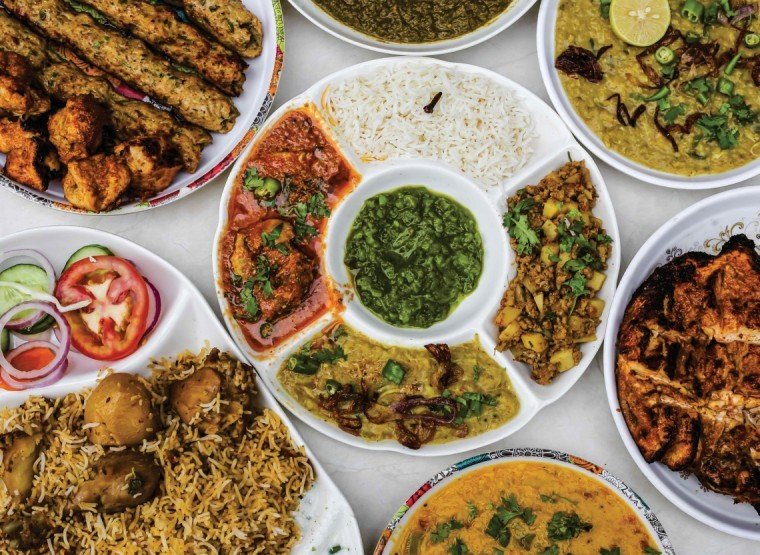
Here is something that most Pakistanis do not hear often enough: the traditional Pakistani diet, when prepared the right way, is one of the most nutritionally sound food systems in the world.
The problem is not daal or roti or sabzi. The problem is what we have done to those foods.
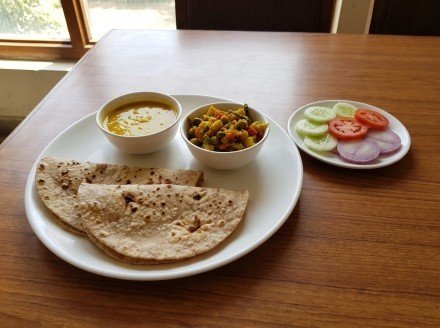
Traditional desi cuisine provides a solid mix of nutrients. Daal, packed with slow-digesting carbohydrates and fibre, keeps blood sugar stable and supports gut health. When paired with rice or roti, it creates a complete protein profile. The ancient pairing of daal and roti that Pakistani grandmothers have served for generations is, in fact, nutritionally complete. Scientists now have the data to confirm what tradition already knew.
Whole wheat roti has a lower glycaemic index compared to white bread or rice, which means it causes a slower rise in blood sugar. For people with diabetes or those watching their weight, this makes whole wheat roti a better choice when eaten in reasonable amounts.
Desi chicken, eggs, beef, daal, and chickpeas are all excellent choices for muscle growth and repair. Combining daal with brown rice or whole wheat roti creates a complete protein meal with all essential amino acids.
The solution is not to abandon these foods. It is to cook them the way our great-grandparents did: with discipline and moderation.
A Practical Plate for Pakistani Families
What does a genuinely healthy Pakistani meal look like? It does not require imported and expensive supplements. It requires balance.
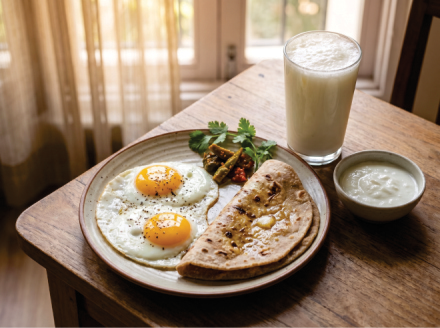
At breakfast: Two eggs, one whole wheat roti, and a glass of lassi or plain dahi. Eggs provide high-quality protein and healthy fats. Dahi supports gut bacteria that research now links directly to mood, immunity, and brain function.
At lunch: One or two rotis with a bowl of daal or sabzi, and a side salad of cucumber, tomato, and onion. The vegetable side adds fibre, vitamins, and water. The daal provides protein and iron.
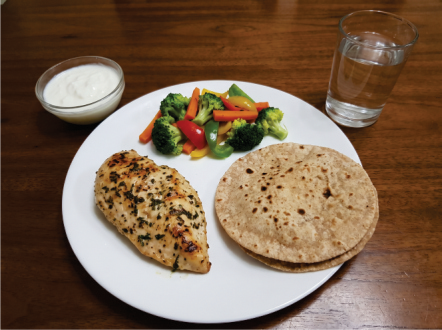
At dinner: A moderate portion of chicken or fish, cooked with minimal oil, with one roti and a serving of seasonal vegetables. If the family uses white rice, a smaller portion alongside a protein source is fine.
Between meals: Seasonal fruits. Pakistan grows exceptional fruits.
A cross-sectional study of university students in Lahore found that a significant proportion of obese individuals consumed junk food daily, while all groups had inadequate intakes of protein, carbohydrates, and fats in proper balance. The average caloric intake among participants was only 990 kilocalories, well below what a healthy adult needs, yet rates of poor nutritional status remained high.
This illustrates the paradox: people can eat plenty of calories from low-quality food and still be nutritionally deficient.
What to reduce: Sugary drinks, including packaged juices. Fried snacks. Fast food eaten more than occasionally. And the practice of adding oil to everything.
The Micronutrient Gap We Cannot Ignore
Micronutrients are vitamins and minerals that the body needs in small amounts but cannot make itself. Iron, zinc, vitamin A, and vitamin D are the four most critically deficient among Pakistani children and adults.
Iron deficiency causes anaemia, which makes people tired, reduces the ability to concentrate, and limits physical endurance. Vitamin D deficiency, which affects more than 60 percent of Pakistani children, weakens bones and suppresses immune function. Vitamin A deficiency impairs vision and reduces resistance to infection. Zinc deficiency slows growth and wound healing.
The most practical way to close this gap through food is to eat more of the following: eggs (iron, zinc, vitamin D), dark leafy vegetables such as palak and methi (iron, folate), dahi and milk (calcium, vitamin D when sun-exposed), and nuts and seeds such as almonds and sunflower seeds (zinc, vitamin E).
Sun exposure also matters. Vitamin D is produced in the skin when it is exposed to sunlight. In Pakistan, the sun is available almost every day of the year. Spending 20 to 30 minutes
outdoors in the morning sun, with arms and face exposed, is one of the simplest and least expensive ways to address the vitamin D gap.
Part Three: The Body That Moves
Why Play Is Not Optional
Physical activity is not a luxury or a hobby for people who have spare time. It is a biological requirement. The human body was designed for movement, and when it does not move enough, it begins to break down in predictable ways: blood pressure rises, blood sugar dysregulation begins, muscles weaken, mental health deteriorates,
and chronic disease follows.
Evidence consistently shows that regular physical activity not only boosts immunity but also regulates hormones, enhances protein synthesis, and supports the prevention and management of a wide range of mental health conditions.
A 2025 review in a bioengineering journal found that tailored nutritional strategies and exercise together produce synergistic effects on brain health and mental wellbeing. The interplay between nutrition, physical activity, and mental health has emerged as a frontier in research, offering new paths for enhancing cognitive function and psychological resilience.
Food and movement work together. Neither alone is enough.
Pakistan’s Sports Heritage:
A Resource We Are Not Using
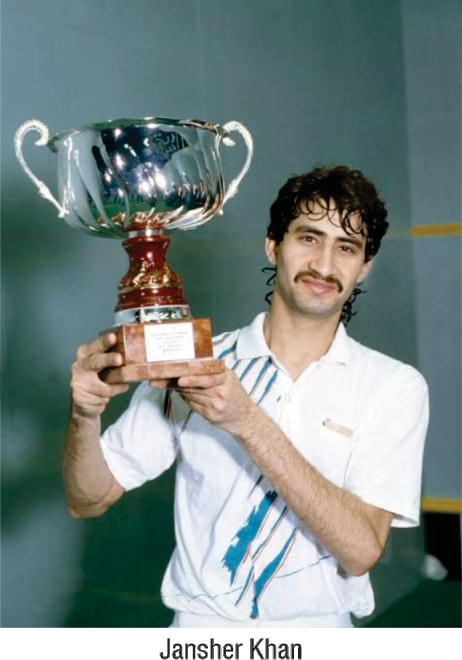

Pakistan has one of the richest sporting traditions in the world. Squash produced two of the greatest players who ever lived: Jahangir Khan, who won 555 consecutive matches, and Jansher Khan, who won eight World Open titles. Pakistan’s field hockey team won three Olympic gold medals and eight Olympic medals in total, a record that represents one of the great sustained dynasties in Olympic sports. In cricket, javelin, wrestling, kabaddi, boxing, MMA, snooker, running Pakistan has made its mark at regional and global scale. Yet most Pakistani children today watch sport rather than play it. A 2024 assessment of provincial sports boards revealed significant gaps in basic facilities, including insufficient indoor halls, swimming pools, and specialised training centres, particularly in less urban areas.
The infrastructure gap is real, but it is not the only barrier. The bigger barrier is the belief, now widespread among parents, that study time is more valuable than play time. Research suggests the opposite is true.
Part Four: The Mind-Gut-Muscle Connection
Why Your Stomach Talks to Your Brain
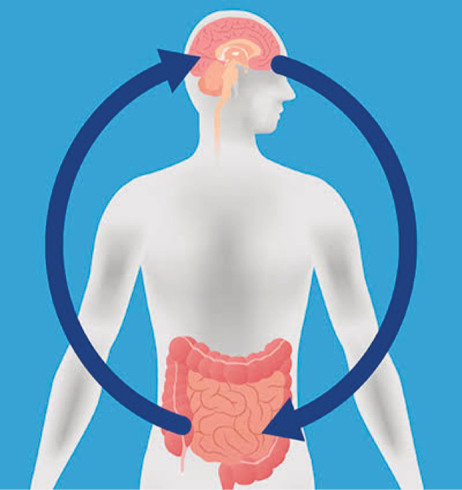
One of the most important scientific discoveries of recent years is the role of the gut in mental health. The gut contains hundreds of millions of nerve cells, connected to the brain through what researchers call the gut-brain axis. The bacteria living in your gut, collectively called the microbiome, produce neurotransmitters including serotonin, the chemical most associated with mood and wellbeing.
When you eat poorly, the microbiome suffers, and mood, concentration, and mental resilience suffer with it. When you eat a diet rich in fibre, fermented foods, and diverse plant foods, the microbiome thrives, and so does the brain.
Pakistan has a traditional food that is excellent for the microbiome: dahi. Plain, home-set yoghurt, eaten daily, introduces beneficial bacteria to the gut. It costs very little. It is available in every market and every home. And its benefits extend far beyond digestion to immune function and mental health.
The brain’s composition, structure, and function rely on essential nutrients including lipids, amino acids, vitamins, and minerals. Diet is therefore a modifiable factor that can be directly addressed to enhance mental health, mood, and cognitive performance. A rapidly emerging field called “nutritional psychiatry” now explores this intersection of nutrition and mental health.
This means that feeding a child well is not just about their physical growth. It is about their ability to learn, their emotional stability, and their resilience in the face of difficulty.
Part Five: Practical Solutions for Families, Schools, and Communities
For Parents and Families
Cook more at home, cook with less oil, and eat together.
Family meals create structure, reduce reliance on fast food, and allow parents to control what their children eat. Research consistently shows that children who eat meals with their families consume more vegetables, more dairy, and more protein, and consume fewer processed snacks.
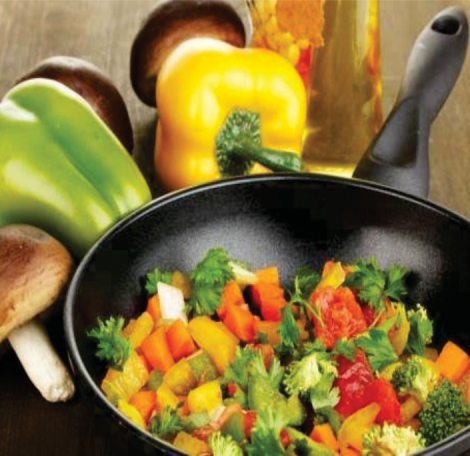
Reduce oil in cooking by half. Many Pakistani recipes call for far more oil than is needed for flavour or texture. The taste difference is small. The health difference is large.
Add one additional vegetable to every meal. This does not require a recipe change. A handful of palak added to daal, or sliced tomato and cucumber alongside a main dish, adds fibre, vitamins, and minerals at minimal cost
Replace sugary drinks with water, plain lassi, or nimbu pani without sugar. A single bottle of a commercial soft drink can contain eight to ten teaspoons of sugar.
Over days and weeks, this alone contributes significantly to weight gain and blood sugar problems.
For Schools
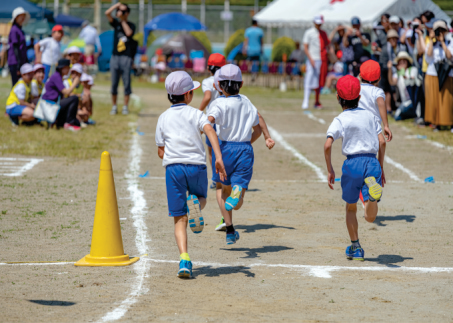
The school-based intervention in Lahore demonstrated that even a 12-week structured programme of increased physical activity and basic nutrition education produced significant and measurable improvements in weight, activity levels, and eating habits among children. Schools do not need expensive equipment or specialised trainers to achieve results like these.
Every school should restore daily physical education as a non-negotiable part of the timetable. One hour of structured activity per day, including team games, running, and traditional sports like kabaddi, can transform the health of a school generation. Schools should also eliminate the sale of packaged snacks and sugary drinks on their premises. Many countries have done this. The evidence shows it works.
For Communities
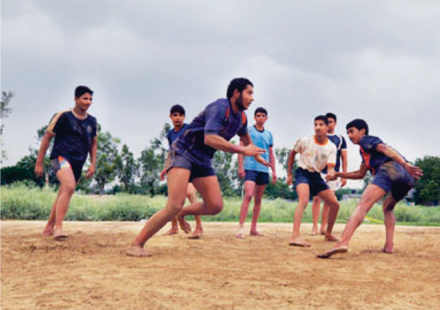
Masjid courtyards, school grounds after hours, and public parks are all spaces where communities can organise group physical activity. Morning walk groups are already common in many Pakistani cities. Expanding these into structured programmes, perhaps led by local councils or community leaders, costs almost nothing and builds social connection alongside physical health.
Kabaddi courts exist in almost every large village in Punjab. Using them is free. Reviving the culture of evening games in these spaces, for children and adults alike, is one of the most effective public health interventions available
Hydration in Pakistan's climate deserves special attention. In summer, when temperatures exceed 40 degrees Celsius, the risk of dehydration during physical activity is serious. Water is the best hydration strategy for most people. Coconut water and diluted nimbu pani with a pinch of salt are effective and affordable alternatives for longer or more intense activity.
The Protein Question
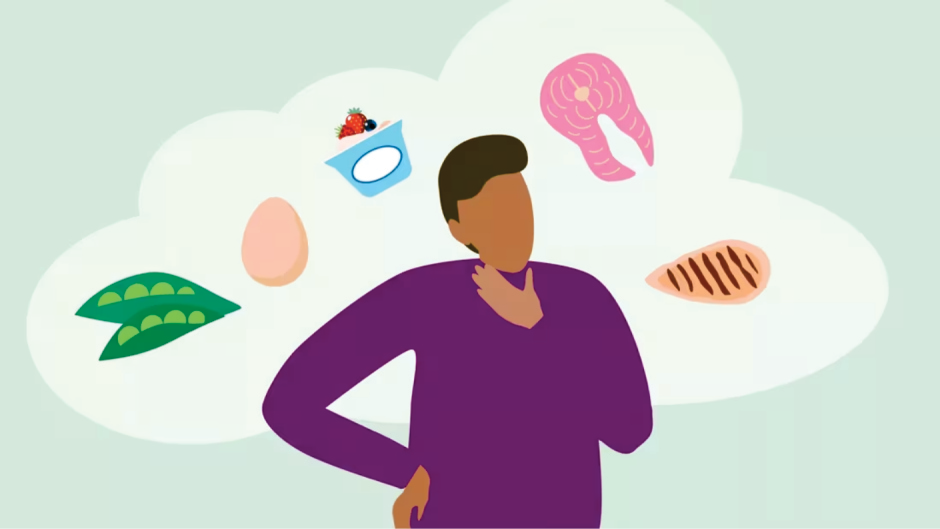
Protein is the most discussed and most misunderstood nutrient among tness-conscious Pakistanis. Many young men in cities believe they cannot build strength without expensive imported protein powders. This is not true.
A diet that includes eggs daily, daal at most meals, chicken or meat several times a week, and milk or dahi regularly provides adequate protein for all but the most intensely training athletes. The traditional Pakistani diet, when it includes roti, lentils, meat, yoghurt, vegetables, and fats in controlled amounts, can support muscle growth when portions and cooking methods are managed well. The goal for most adults is approximately 1.2 to 1.6 grams of protein per kilogram of body weight per day. For a 70-kilogram adult. that is roughly 85 to 110 grams of protein daily, achievable through ordinary Pakistani food without any supplements.
The Verdict
Small Changes, Large Impact
The science is settled. What we eat and how much we move are the two most powerful variables in human health after genetics. And unlike genetics, they are within our control. Pakistan sits at a crossroads. The country has a rich culinary tradition built on foods that nutrition science now validates: lentils, whole wheat,
yoghurt, seasonal vegetables, eggs, and lean meats. It also has a sporting culture of genuine depth: with numerous sports all offer pathways to physical activity for people of every age, income level, and background.
The threat is that fast food, sedentary lifestyles, and urban
convenience are eroding both traditions simultaneously. The opportunity is that reversing this does not require wealth, imports, or infrastructure that Pakistan does not yet have. It requires awareness, community will, and the practical choices that millions of individual families make every day
Key Research Referenced in This Article: Research from the University of Warwick on diet and brain health (Nature, 2024); the Pakistan Nutrition Sector Bulletin 2024 (UNICEF and partners); a school-based physical activity intervention study in Lahore (PLOS ONE, 2025); the World Obesity Federation projections for Pakistan; research on nutritional psychiatry published in Frontiers in Psychiatry (2024); and a review of neuro-nutrition and exercise synergy published in Bioengineering (2025)

Important Disclaimer: This article is written for informational purposes. For specific medical conditions, and personalised diet planning, readers are advised to consult a suitably qualified nutritionist or physician.
Leave a Reply