
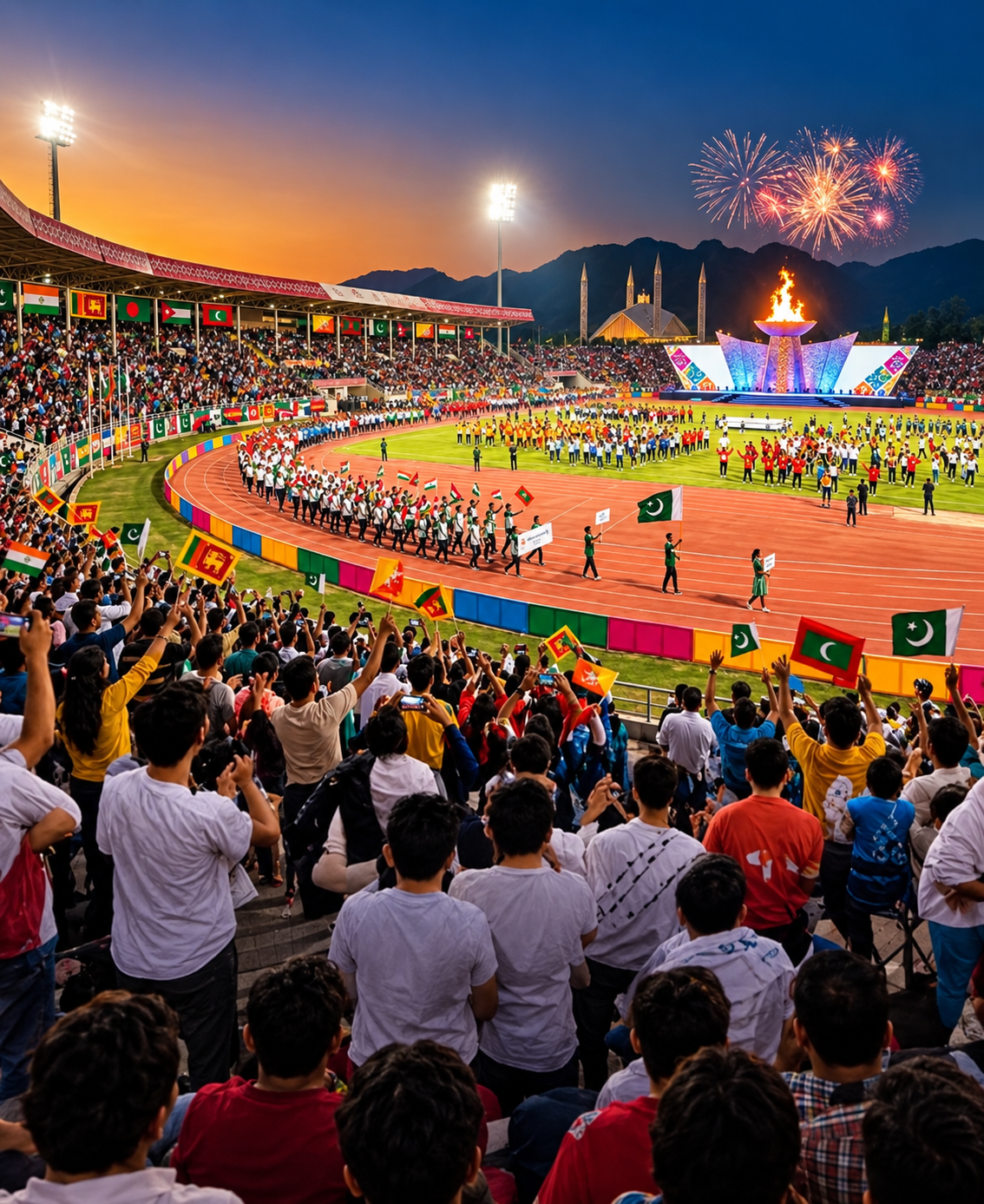
After six years of postponements, the 14th South Asian Games are set to open in Pakistan in April 2027. Islamabad, Lahore, Peshawar carry a promise to the region: that the long wait will end in a Games worth waiting for.
There is a particular silence in a stadium on the night before a Games begins. The seats are clean, the lines on the track are fresh, and the flags on the roof have yet to flutter over a crowd. Pakistan hopes to hear that silence in Islamabad, Lahore, and Peshawar in the first days of April 2027, when the 14th South Asian Games are due to open after a wait of six years.
The South Asia Olympic Council approved a schedule of 3 to 11 April 2027 and named the three host cities. Some government statements give 4 April as the start date. The difference is small, but travelling teams and fans should watch for the final competition schedule. Either way, the Games will return to Pakistan for the first time since 2004, and for the first time they will reach beyond the capital.
This is more than a date on a regional calendar. For a country that has spent years persuading the sporting world to come back, a smooth, warm, and well organised Games would say something no press release can: Pakistan is ready to host its neighbours again.
| THE GAMES AT A GLANCE | |
| Edition | 14th South Asian Games (XIV SAG) |
| Dates | 3 to 11 April 2027 (some official statements cite 4 April as the opening day) |
| Host cities | Islamabad (about 15 sports), Lahore (10), and Peshawar (3) |
| Program | 28 sports, 25 of them open to women, and 346 medal events |
| Participants | About 3,200 athletes in council planning; officials now speak of more than 6,000 athletes and officials in all |
| Governing body | South Asia Olympic Council |
| Previous hosting | Islamabad, 1989 and 2004 |
| Last edition | Kathmandu and Pokhara, Nepal, 2019 |
Six Years in the Waiting Room
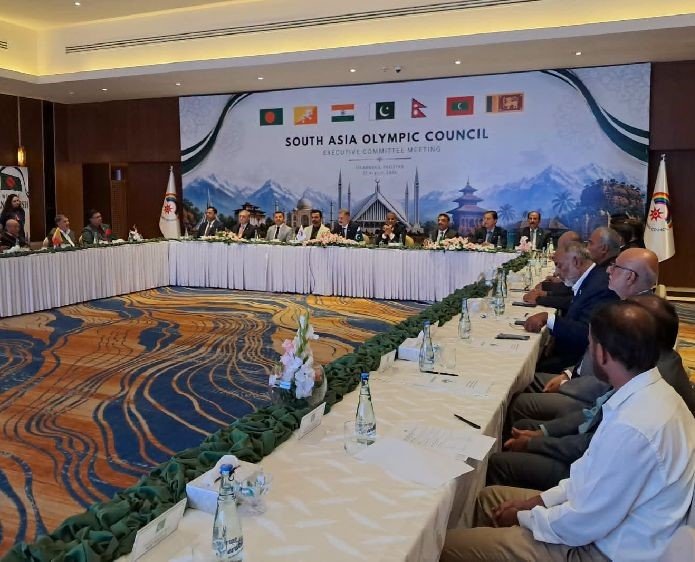
The Games were meant to come to Pakistan in 2021. The pandemic closed that door, and the dates moved again and again: March 2023, then March 2024, then January 2026, and finally April 2027. Crowded international calendars, including the Olympic cycle, played a part in some of those moves. Pakistan’s hosting rights were confirmed once more in early 2026, and the most recent shift, from late March to early April, came so that participating nations would have more room to prepare.
Delays of this kind carry a hidden cost. A South Asian Games is often the first international podium for a young athlete. Every lost year means a lost group of athletes: sprinters who passed their best seasons without a regional final, and teenagers who moved on to other lives before they ever wore a national tracksuit abroad. The 2027 edition must therefore serve two generations at once, the athletes who waited and the ones who have only just arrived.
“Every lost year means a lost group of athletes who never wore a national tracksuit abroad.”
A Tradition Older Than Many of Its Athletes
The Games began in Kathmandu in 1984 as the South Asian Federation Games, a modest meeting of neighbours under the South Asia Olympic Council, which had formed a year earlier. Pakistan first hosted in Islamabad in 1989 and hosted again in the capital in 2004, the edition at which the event took its present name. The most recent Games, held in Kathmandu and Pokhara in 2019, saw India top the table with 312 medals, 175 of them gold. Pakistan finished fourth with 32 gold medals.
A Map Drawn Across Three Cities
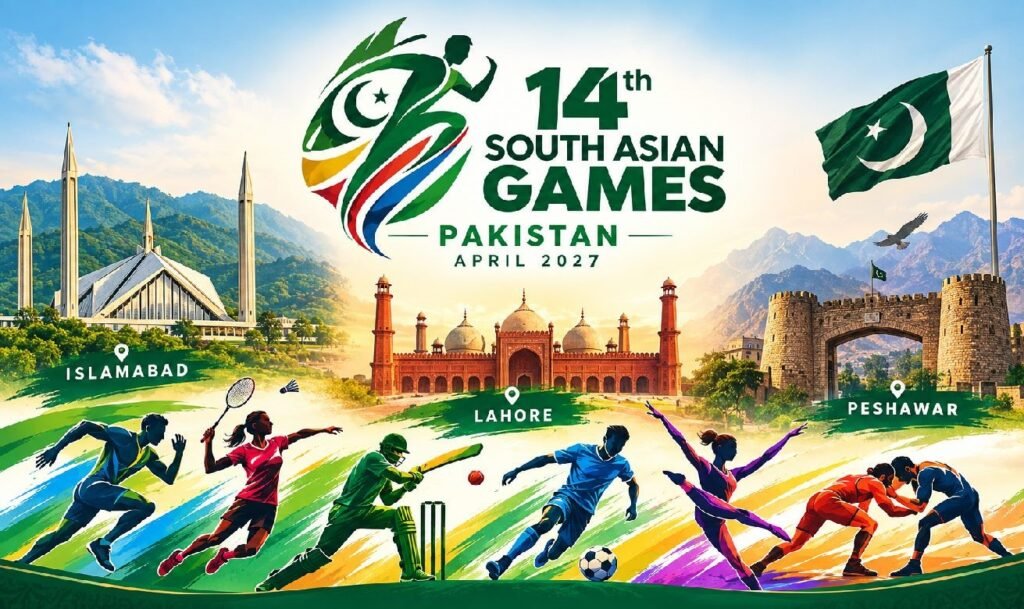
Both earlier Pakistani editions lived entirely in Islamabad. The 2027 plan spreads the load across the federal capital, Punjab, and Khyber Pakhtunkhwa. The idea is sound on three counts: it shares the economic benefit, it uses facilities that already exist, and it lets more Pakistanis see international sport with their own eyes.
Islamabad: The Hub
Islamabad will stage about 15 sports, making it the centre of gravity for the Games. Tennis, squash, and several martial arts are among them. The Pakistan Sports Complex, with Jinnah Stadium at its heart, is the obvious home for much of the program and the leading candidate for the ceremonies. Squash deserves a special word. Few sports carry Pakistani history so proudly, and a home crowd in the capital watching a new generation compete would be a fitting salute to that past.
Lahore: The Stage
Lahore takes 10 sports: boxing, cricket, fencing, golf, handball, hockey, rugby, swimming, taekwondo, and wrestling. The city holds the deepest store of event experience in the country, and in recent years it has shown that it can fill a stadium and send a crowd home safely. Hockey in Lahore will carry weight of its own. The national game has endured lean decades, and a home podium earned before a full house would mean more than one medal usually does.
Peshawar: The Frontier Welcome
Peshawar will host volleyball, archery, and judo. Three sports may sound like a small share, but the symbolism is large. Khyber Pakhtunkhwa has produced remarkable athletes, yet its people rarely see an international multisport event in their own city. The province staged the National Games in 2019, which gives organisers a recent base of experience, and Pukhtun hospitality is famous across the region. Visiting teams may well leave with that welcome as their strongest memory of the Games.
The Numbers, and the Story Behind Them
Current plans list 28 sports, 25 of them open to women, and 346 medal events. Estimates of the number of people involved vary with the source. Council planning papers projected about 3,200 athletes and roughly 4,200 participants in all, while Pakistani officials have since spoken of more than 6,000 athletes and officials. The gap most likely reflects different ways of counting coaches, team staff, technical officials, and support personnel, and final entries will settle it. Either figure describes a large task: several thousand people to house, feed, move, treat, and protect across three cities for more than a week.
The program runs from athletics and swimming to shooting, weightlifting, cricket, and kabaddi. Sports such as kabaddi keep the Games tied to daily South Asian life, and that is part of their charm. The South Asian Games do not try to be a small Olympics. At their best, they are a mirror of how the region actually plays.
The machinery is now in motion. According to the Pakistan Olympic Association, the Prime Minister has approved funds, and a Steering Committee chaired by the Deputy Prime Minister and Foreign Minister has been told to meet every month to review progress. Organisers have said venue upgrades should finish before January 2027, after which delegations from participating countries will return to inspect the work.
The Guest List
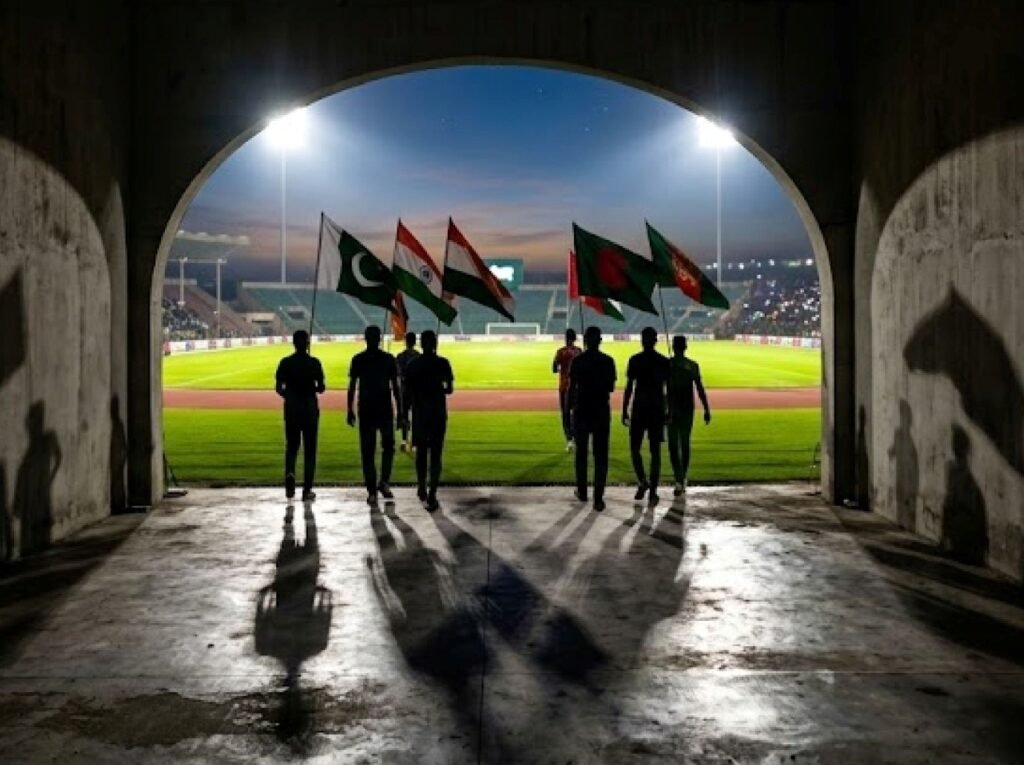
Bangladesh, Bhutan, Maldives, Nepal, and Sri Lanka are expected to compete, and their officials attended the August planning meeting in Islamabad in person. These are the steady friends of the Games, the nations that turn up in every edition and give it its family feel. Each brings a sporting identity of its own, from Nepali and Bhutanese archery to Sri Lankan and Maldivian strength in the water, and each deserves the same attention and warmth as the largest delegation.
The India Question
The largest question concerns India, the most successful nation in the history of the Games with 2,378 medals, 1,263 of them gold.
An agreement between Olympic bodies does not amount to travel clearance from the Indian government, and at the time of writing no such clearance has been announced. Sport between the two countries has been rare and tense in recent years. When Pakistan hosted the ICC Champions Trophy in 2025, India played its matches in Dubai under a hybrid arrangement. A regional multisport Games leaves far less room for that kind of solution, because its heart is a shared village, shared venues, and shared ceremonies.
Pakistan’s posture should be calm and open: keep the invitation warm, keep the planning ready for either outcome, and let the quality of the welcome speak. Indian athletes applauded by Pakistani crowds for fine performances would make a picture worth more than any medal, and the same is true in reverse.
“An agreement between Olympic bodies is welcome. It is not yet a green light.”
Afghanistan’s Place
Afghanistan is a member of the regional council, and some Pakistani official statements include it among the participating countries. Other summaries of the Games list seven nations rather than eight, and its entry has not been settled in public. Organisers would do well to keep the door open and the paperwork simple, so that sport, rather than procedure, decides the matter.
Security That Feels Like Hospitality

No honest account of this event can skip security. Planners are treating security as a core strand of the Games, and the Steering Committee reviews it alongside housing, transport, and medical care. The aim should be protection that works without shouting. Athletes should feel safe, not guarded, and they should meet smiling volunteers before they notice armoured vehicles. Short and secure routes between village and venue, accreditation that works on the first scan, and calm crowd control at the gates will matter more to visitors than any display of force.
There is a sporting reason to get this right as well. International federations and future bidders will watch closely. A safe and relaxed Games would strengthen Pakistan’s case for larger events in the years ahead, from continental championships to world events in squash, hockey, or kabaddi.
“Athletes should feel safe, not guarded.”
The Home Team’s Moment
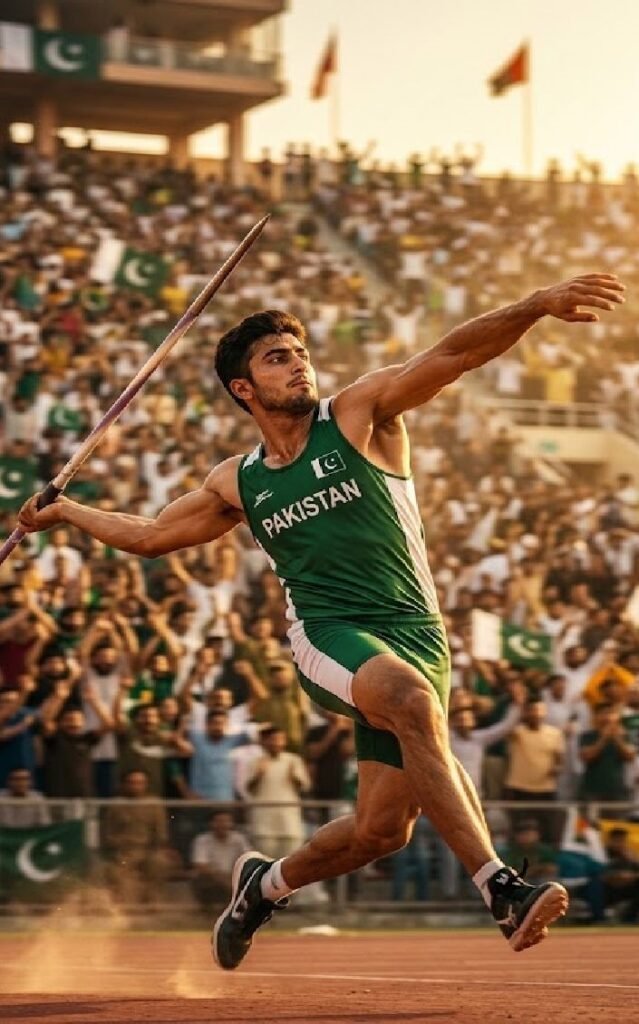
Host nations usually rise. Familiar food, loud support, and the absence of jet lag all add up. Pakistan’s fourth place in 2019 sets a baseline, and a fair home target is to climb the table, perhaps to third or higher, depending on which nations enter and in what strength. Wrestling, and weightlifting have long delivered medals, while athletics now carries fresh belief.
The brightest source of that belief is javelin. At the 2019 Games in Nepal, Arshad Nadeem threw 86.29 metres, a Games record that also earned him direct qualification for the Tokyo Olympics. Five years later he won Olympic gold in Paris with a throw of 92.97 metres, an Olympic record. Whether he enters in April 2027 will depend on his season and his fitness, and no one should take it for granted. What matters more is what he stands for: proof that an athlete from a small Pakistani town, with modest early support, can reach the top of the world.
The deeper test of the host team lies beyond the medal count. A squad built on young, well coached athletes, rather than a few veterans, would show the region that Pakistan has a working pathway from school ground to podium. Hurdler Najma Parveen’s gold in 2019 and the steady rise of Pakistani shooters are reminders that such a pathway already exists in places; a home Games is the chance to widen it.
“A home Games should reveal a pathway, not just a handful of stars.”
Women on the Podium, With Dignity
With 25 sports open to women, the 2027 Games offer Pakistani sportswomen a home stage that many have never had. That opportunity deserves care in the details, because the details decide who takes part.
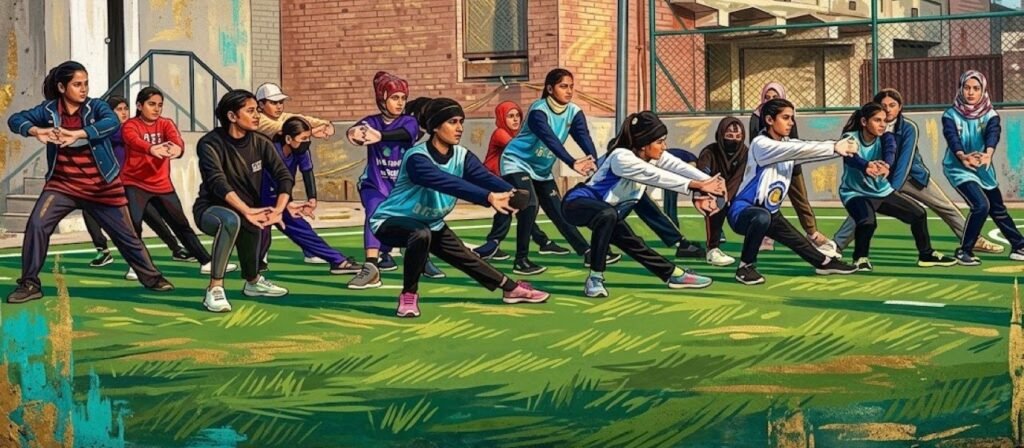
Pakistan can present women’s sport in a way that honours both its own values and the choices of each athlete. Practical steps would go a long way: kit options that meet each federation’s rules while allowing modest dress for those who want it, women coaches and technical officials, female medical staff, private changing and rest areas, and family enclosures in the stands so that mothers, sisters, and daughters can watch in comfort. Several Muslim majority countries have staged major events along these lines, and such arrangements tend to widen participation rather than narrow it.
The message to every girl watching should be simple. Sport is for you, and you do not have to leave your values at the gate in order to play.
“Sport is for you, and you do not have to leave your values at the gate in order to play.”
Wellness in the Spring Heat
The calendar brings two gifts and one challenge. The first gift is timing. April falls well after Ramadan, which is expected to end in early March 2027, so athletes and officials who fast will not face that demand during competition, and Eid will already have been celebrated at home. The second gift is the shape of the week: the Games open on a Saturday and close on a Sunday, giving families two weekends to attend.
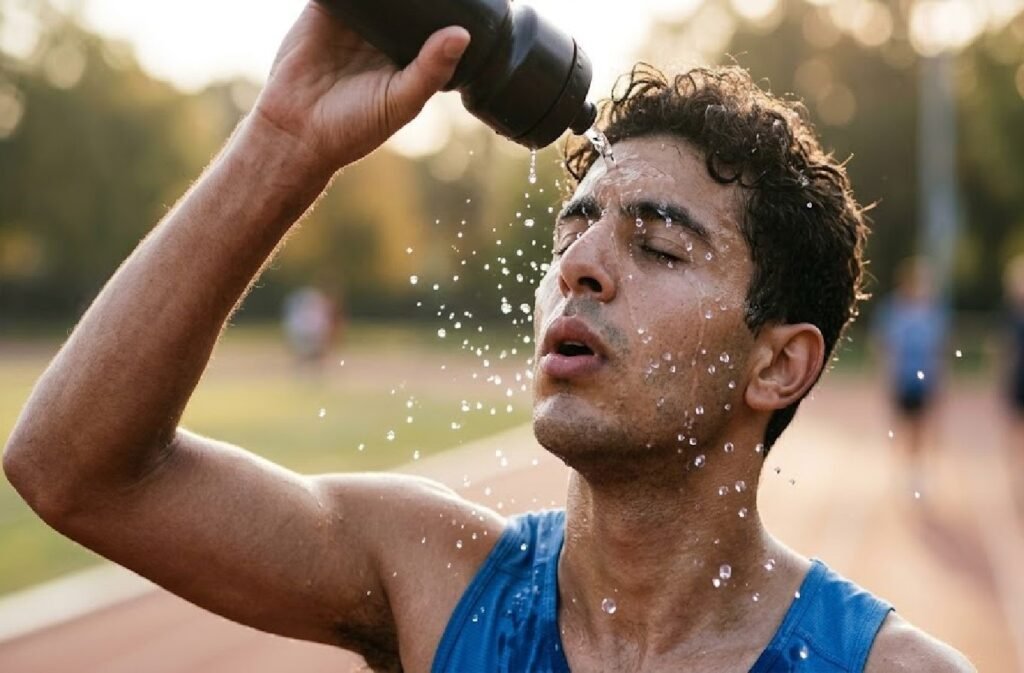
The challenge is heat. April is warm across the host cities, and afternoons in Lahore and Peshawar can climb well past 30 degrees Celsius, with Islamabad usually a little milder. Endurance events and outdoor finals belong in the cool of early morning or evening. Venues need shade, cold water, cooling points, and medical teams trained to spot heat illness early.
Faith, Food, and Rest
The schedule includes one Friday, 9 April. A thoughtful program would leave room around the midday congregational prayer and provide clean prayer spaces at every venue for athletes, officials, and fans. Halal food is the norm in Pakistan, which makes catering simple for many delegations, but the village kitchens must also serve the vegetarian and other dietary needs of teams from across the region with the same care. Quiet rooms, reliable internet for calls home, and welfare officers who speak the athletes’ languages cost little and matter a great deal, especially for teenagers on their first trip abroad.
Clean Sport
Wellness also means fair competition. Testing that meets international standards, clear guidance for young athletes on supplements and medicines, and a firm but fair process for cases that arise will protect the credibility of every result. A medal won in Lahore should carry the same trust as one won anywhere else.
“Endurance events and outdoor finals belong in the cool of early morning or evening.”
The Story the Cameras Tell
Most people will experience the 2027 Games through a screen. South Asia is home to nearly two billion people, and broadcast and digital coverage will decide whether the event feels like a regional festival or a local meet.
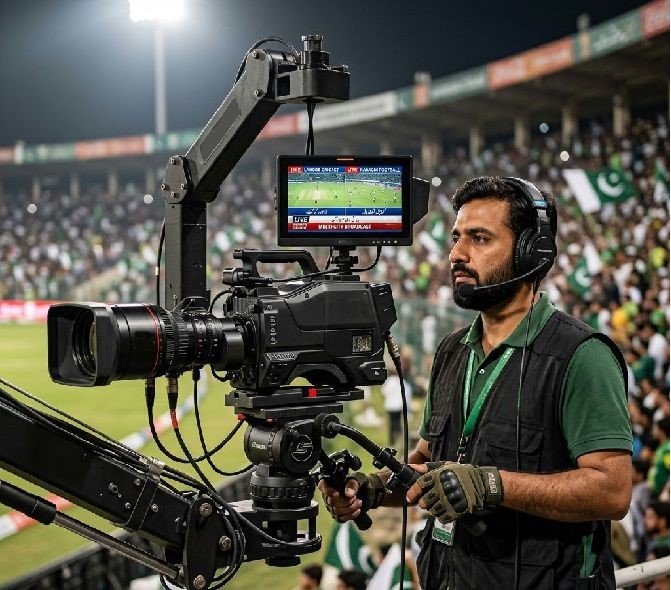
Short clips for phones, live streams for smaller sports that rarely reach television, commentary in regional languages, and fair airtime for every nation, not only the host, would turn the Games into something the whole region shares. Rights for neighbouring markets should be priced to spread the Games, not to lock them away. For Pakistani broadcasters, this is a rare chance to show that the country can produce live international sport to a high standard across three cities at once, and that skill will outlast the event itself.
The Legacy Ledger
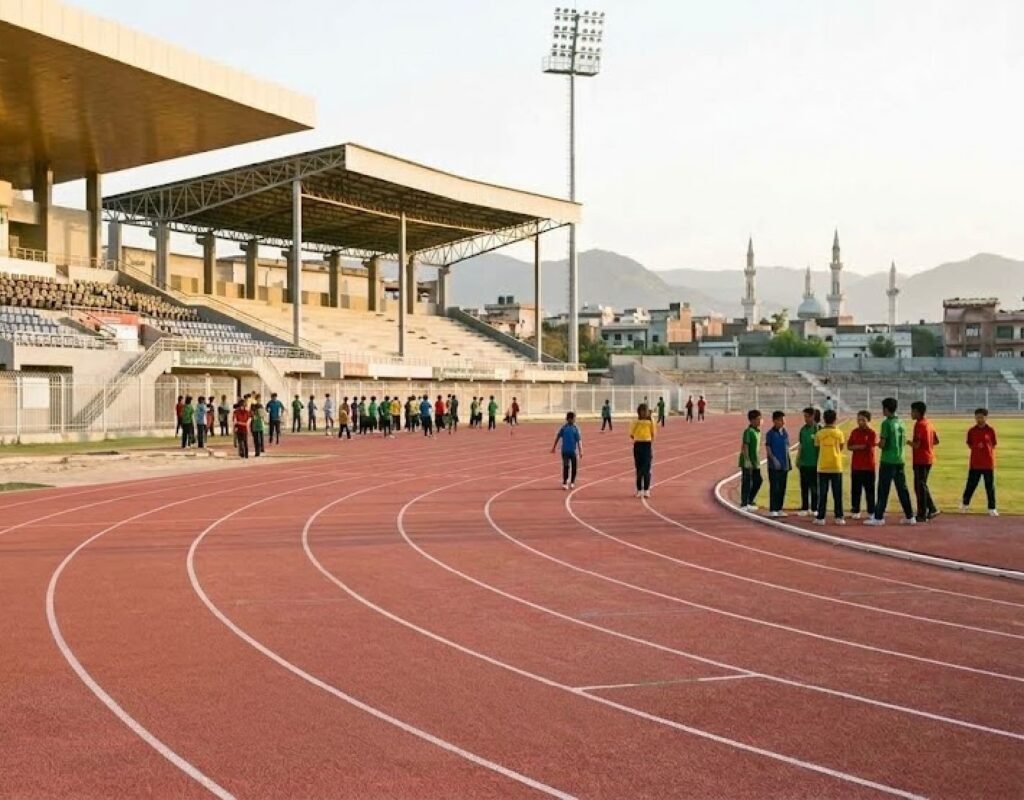
Games tend to leave behind two kinds of buildings: those that fill with children every afternoon, and those that sit locked behind a gate. Pakistan’s approach of upgrading existing venues rather than building grand new ones is wise, and it should be protected from late ambition. Each upgraded venue should have a plan, published before the Games, that names who will use it afterwards: schools, clubs, universities, and women’s programs.
People are part of the ledger too. Volunteers drawn from universities in all three cities can form a lasting events workforce. Referees and judges who earn international badges will keep officiating long after the closing ceremony. Groundstaff, medical teams, and security planners who learn to work together across provinces become a national asset for every event that follows. Visiting families who eat in Lahore’s food streets, walk the Margalla Hills, or shop in Peshawar’s bazaars will carry home a picture of Pakistan that no advertisement could buy.
“Games tend to leave behind two kinds of buildings: those that fill with children, and those that sit locked behind a gate.”
Five Tests Worth Passing
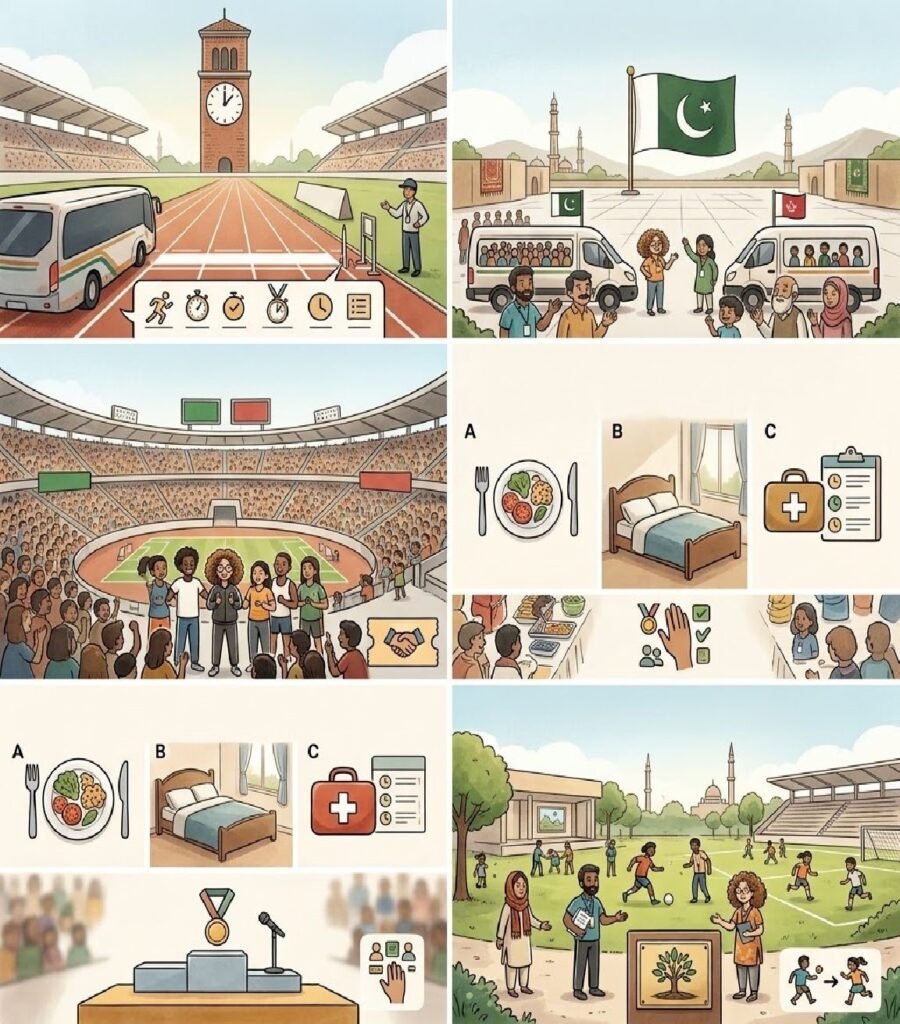
From where we sit in Pakistan, success in April 2027 will not be measured only by the medal table. Five simpler tests will tell the real story.
Run to the minute. Buses that leave on time, events that start on time, and results that post at once are the plainest signs of a well run Games, and athletes notice them first.
Welcome every flag. The smallest delegation should receive the same courtesy, the same transport, and the same attention as the largest. Small nations remember how they were treated long after they forget the scores.
Fill the stands. Free or low cost tickets, school visits, and family enclosures would give athletes the atmosphere they deserve and give children a reason to take up a sport.
Keep athletes first. Good food, good sleep, fair scheduling in the heat, and prompt medical care should come before ceremony and speeches.
Leave something behind. Every venue, volunteer, and official trained for these nine days should have a clear role in Pakistani sport after them.
When the Flame Goes Out
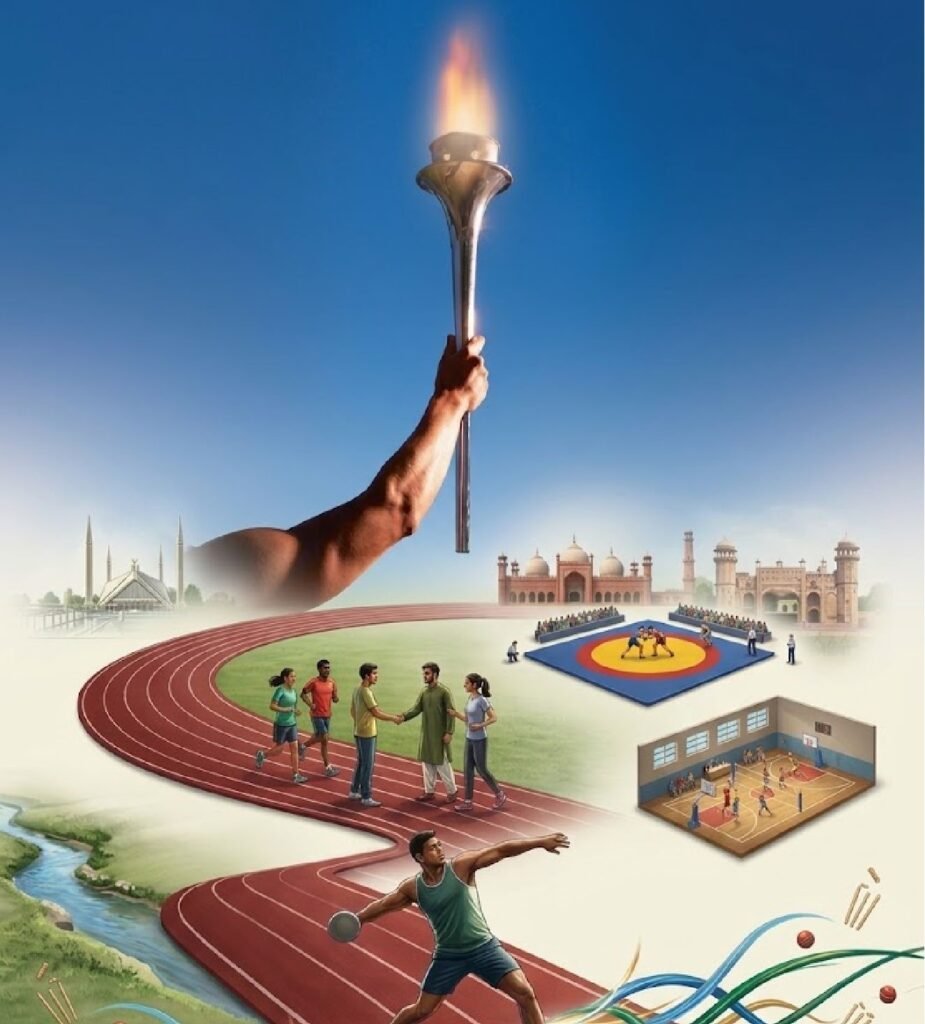
Nine days in April will not solve every problem in Pakistani sport, and no one should pretend that they will. They can, however, do something rarer. They can show a region that shares rivers, languages, and endless cricket arguments that its young people can still meet on a track, a mat, or a court and part as friends.
If Islamabad, Lahore, and Peshawar deliver that, the six years of waiting will look different in hindsight. They will look like the long approach before a great throw: slow, patient, and gathering power for the moment of release. And that is sport at its finest!
Leave a Reply