
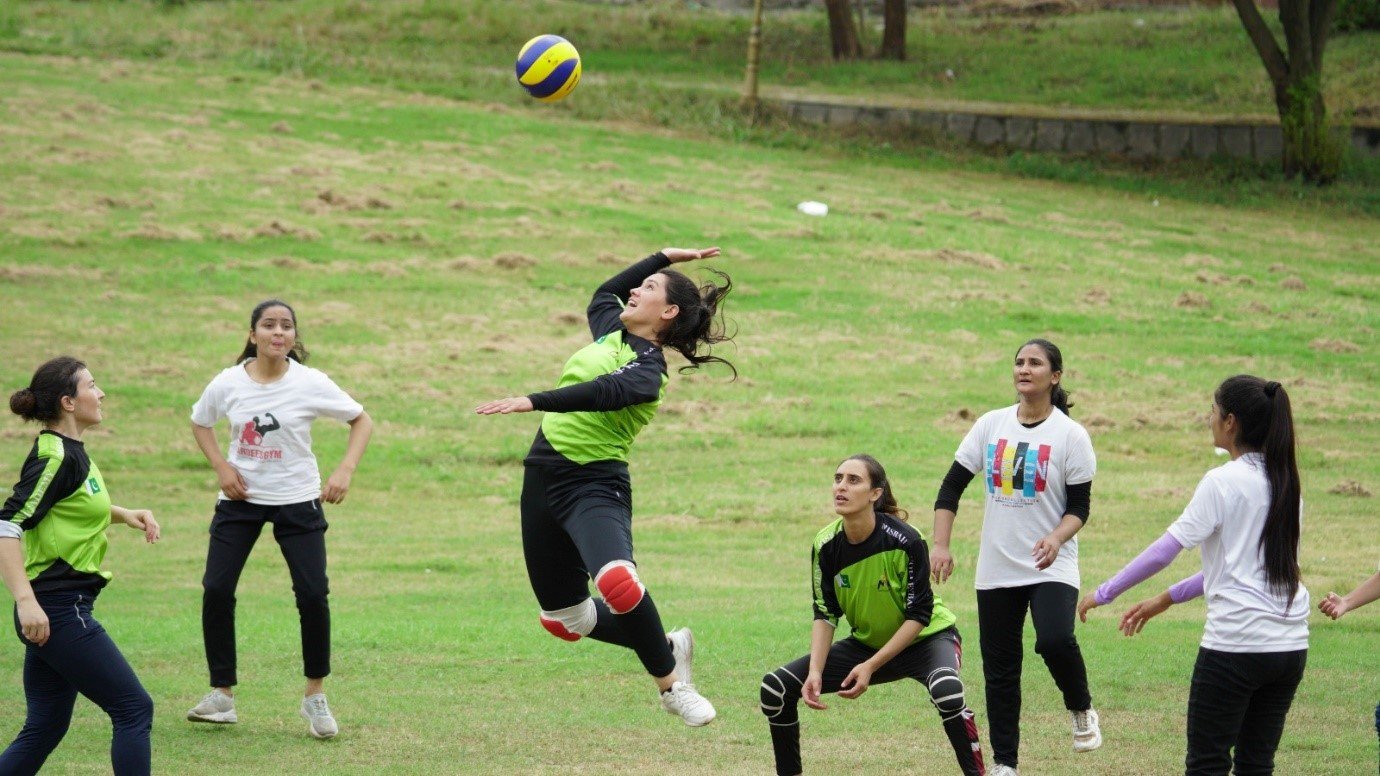
Pakistan’s sports landscape stands on the cusp of a significant transformation as the Women’s Volley League prepares to launch in 2026. This privately-owned venture represents a decisive step toward professionalizing women’s volleyball in Pakistan while creating structured pathways for grassroots talent to reach elite competition. In a nation where women’s sports have historically struggled for visibility and investment, the League’s emergence signals a potential paradigm shift in how female athletic talent is identified, developed, and showcased.
The League’s private sector foundation distinguishes it from traditional sports initiatives that typically depend on governmental or institutional backing. This independent structure offers both operational flexibility and market accountability, allowing organizers to respond dynamically to commercial opportunities while maintaining direct responsibility for outcomes. The mission extends beyond merely organizing matches—it encompasses building a comprehensive talent development ecosystem that identifies promising players at the community level and nurtures them through structured training, competitive exposure, and professional pathways previously unavailable to Pakistani female athletes.
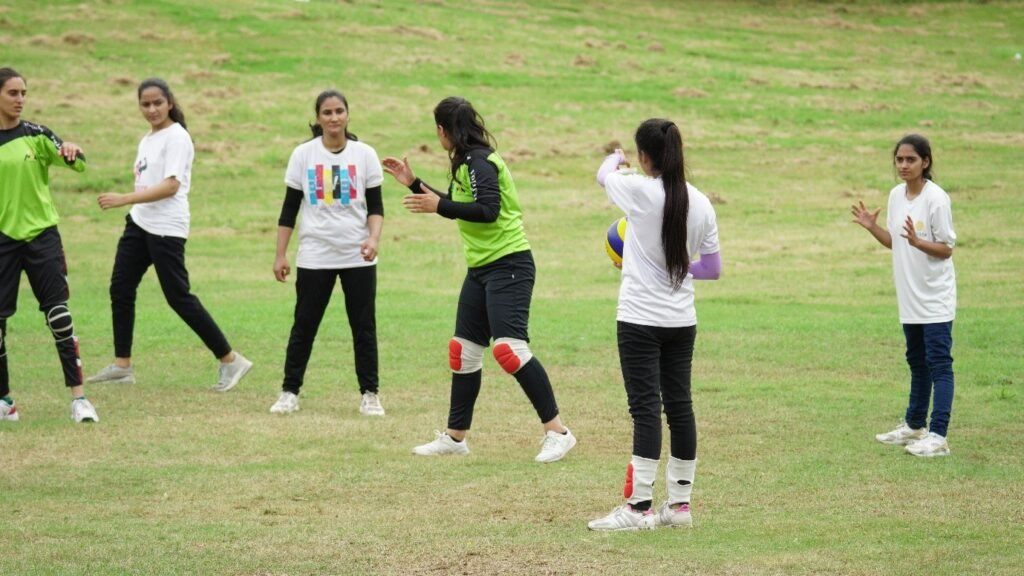
Building Talent from the Ground Up
Addressing Critical Infrastructure Gaps
The League’s grassroots-focused approach directly addresses a critical structural gap in Pakistan’s sports ecosystem. While volleyball enjoys considerable popularity in schools, colleges, and universities across the country—the traditional absence of professional opportunities has created a development ceiling. Talented players who excel at the collegiate level typically face a stark choice: abandon competitive volleyball entirely or continue as amateurs without financial support, coaching infrastructure, or meaningful competition beyond their immediate networks.
By establishing clear progression pathways from grassroots participation to professional competition, the Women Volley League aims to transform this dynamic. The initiative seeks to convert recreational interest into sustainable athletic careers, providing female athletes with the structure, compensation, and recognition that has long been standard in men’s professional sports. This model creates incentive structures for young players to invest in skill development, knowing that excellence can translate into tangible career opportunities.
Talent Identification and Development Strategy
The League’s talent development strategy centres on systematic identification and cultivation of athletic potential across multiple tiers. Organizers plan to establish scouting networks that reach beyond the traditional centres. This approach recognizes that geographic and economic barriers have historically prevented many gifted athletes from accessing competitive opportunities, regardless of their potential. Educational institutions are the natural breeding grounds of athletes, and so, scouting will focus more towards them in the early days. Over time, the scouting network will expand to include far flung places and destinations.
The development framework will incorporate structured coaching programs, fitness protocols, and competitive exposure designed to elevate players from foundational skills to professional-level performance. This comprehensive approach distinguishes the initiative from ad-hoc tournament organizing, positioning it instead as a long-term investment in human capital development. Success will require not only identifying talent but also providing the resources, mentorship, and competitive environments necessary for that talent to flourish.
Market Positioning and Commercial Viability
Building Visibility in a Competitive Attention Economy
In an era where visibility often determines viability for emerging sports properties, the League organizers recognize that consistent, strategic promotion will be essential to building audience loyalty and attracting commercial partnerships. The challenge lies in cutting through the noise of Pakistan’s crowded media landscape, where cricket commands overwhelming attention and resources. Television viewership, digital engagement, and social media presence will serve as critical metrics for measuring the league’s market penetration and growth trajectory.
The League’s commercial strategy must balance multiple objectives: generating sufficient revenue to sustain operations and compensate athletes fairly, while simultaneously investing in grassroots development and maintaining competitive integrity. This requires cultivating diverse revenue streams including broadcast rights, sponsorships, merchandising, and ticketing. Early-stage partnerships with brands seeking to align with women’s empowerment narratives could prove particularly valuable.

Competing Against Entrenched Sports Hierarchies
The League’s founders candidly acknowledge the substantial challenges inherent in launching any new sports venture in a market where cricket dominates both attention and investment capital. Pakistan’s sports economy demonstrates extreme concentration, with cricket receiving an estimated 95 percent of total sports-related spending and media coverage. This leaves minimal resources for alternative sports, particularly those involving female athletes who face compounded visibility challenges.
However, organizers identify opportunity within this asymmetry. Volleyball’s inherent accessibility—requiring minimal equipment and infrastructure compared to cricket—positions it favourably for grassroots expansion. The sport’s fast-paced, dynamic nature also translates well to short-form digital content, potentially enabling the League to leverage social media platforms for audience building at relatively low cost. Additionally, there exists growing appetite among Pakistani audiences for diverse sporting content.
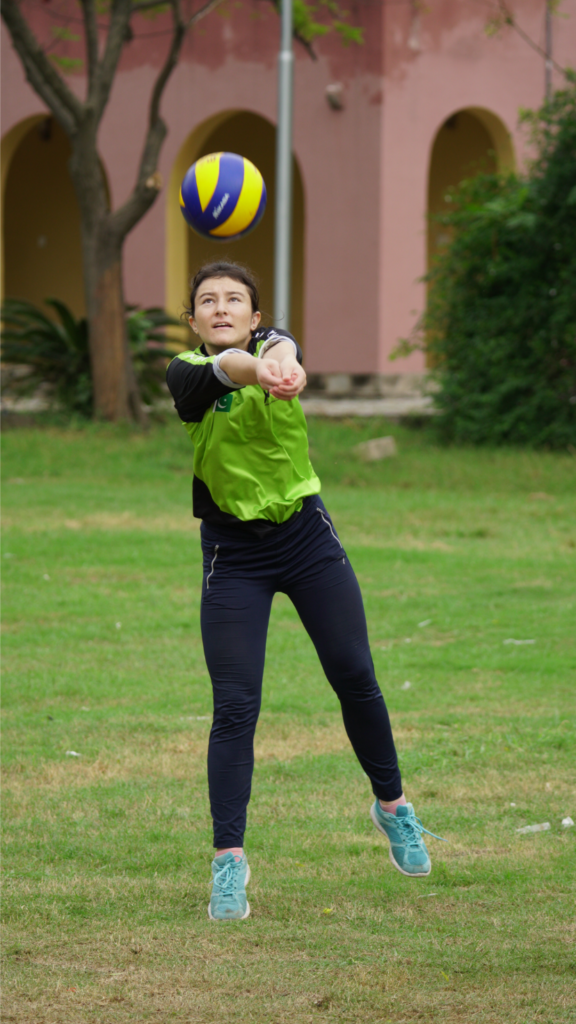
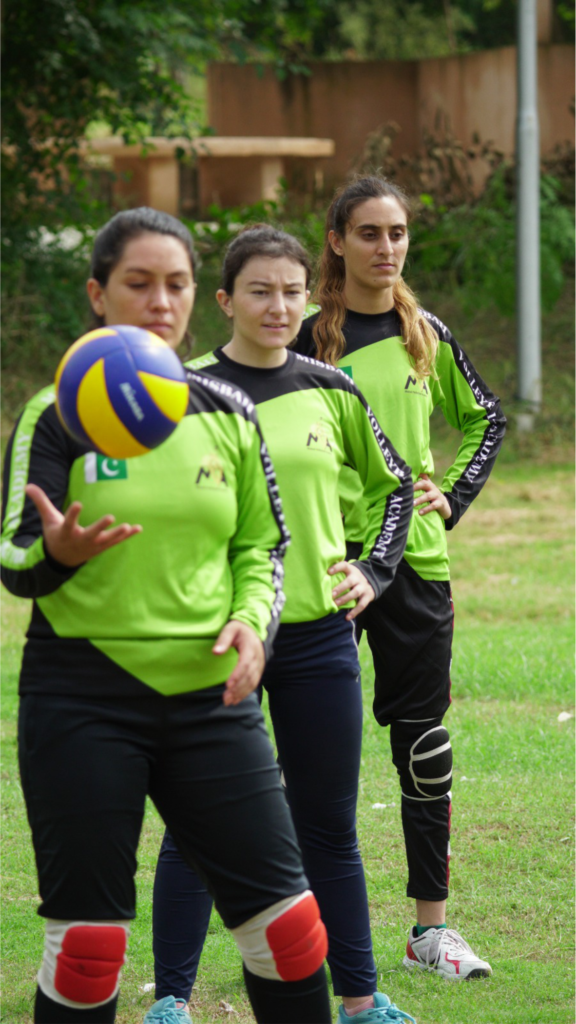
Strategic Path Forward
Incremental Growth Over Overnight Success
Starting from what organizers candidly describe as humble beginnings, the Women Volley League is banking on incremental, sustainable growth rather than unrealistic expectations of immediate mainstream success. This patient capital approach recognizes that building authentic audience engagement and institutional credibility requires years, not months. The League’s success metrics must therefore emphasize long-term indicators—player development pipelines, fan base growth rates, and partnership stability—over short-term revenue maximization.
Early adopters, both fans and corporate sponsors, will be essential to this trajectory. The value proposition centres on professionally managed competition that showcases athletic excellence while contributing tangibly to women’s empowerment through sport. For sponsors, association with the league offers opportunities to demonstrate corporate social responsibility, access emerging consumer demographics, and align brand identity with progressive social narratives. For fans, the League provides access to high-quality athletic competition featuring local heroes and aspirational role models.

Balancing Commercial Imperatives with Social Impact
The League’s long-term viability will likely depend on its ability to simultaneously serve commercial objectives and deliver meaningful social impact. In Pakistan’s current sports economy, where spending remains heavily skewed toward cricket and predominantly toward men’s competitions, purely commercial positioning may prove insufficient. A broader-based engagement approach that explicitly highlights social impact—expanding opportunities for female athletes, challenging gender norms, creating role models for young girls—could unlock support from development organizations, educational institutions, and socially conscious brands that view sports as a vehicle for social change.
This dual mandate requires careful calibration. The League must maintain professional standards and competitive integrity to command respect as a serious sporting property, while simultaneously articulating and demonstrating its contribution to gender equity and youth development. Success on these dimensions could establish the Women Volley League as a blueprint for sustainable women’s sports ventures in Pakistan.
Conclusion: A Test Case for Women’s Sports in Pakistan
As women’s sports in Pakistan remain largely absent from mainstream attention and commercial investment, the Women Volley League represents a critical test case. Its success or failure will carry implications far beyond volleyball, potentially demonstrating whether private sector initiatives can create sustainable platforms for female athletes to compete, develop professionally, and inspire the next generation. The League’s ability to navigate the challenging intersection of commercial viability, competitive excellence, and social impact will determine whether it becomes a transformative force in Pakistani sports or a cautionary tale about market limitations.
Whether the League achieves its ambitious objectives will ultimately depend on consistent execution, stakeholder patience, and willingness to invest in a genuinely long-term vision. The organizers’ bold and innovative approach now faces the unforgiving test of market realities. Yet in that challenge lies opportunity—to prove that women’s sports in Pakistan can thrive with proper structure, investment, and strategic thinking, creating value that extends well beyond the volleyball court.
#sport, #games, #athlete, #magazine, #youth, #action, #lifestyle, #speed, #energy, #talent, #Pakistan, #PakYouth, #PakSports, #wellness, #health, #wellbeing, #nutrition #life, #longevity, #enjoy, #joy, #passion, #positive, #pride, #womenvolley, #volleyball,
Leave a Reply