
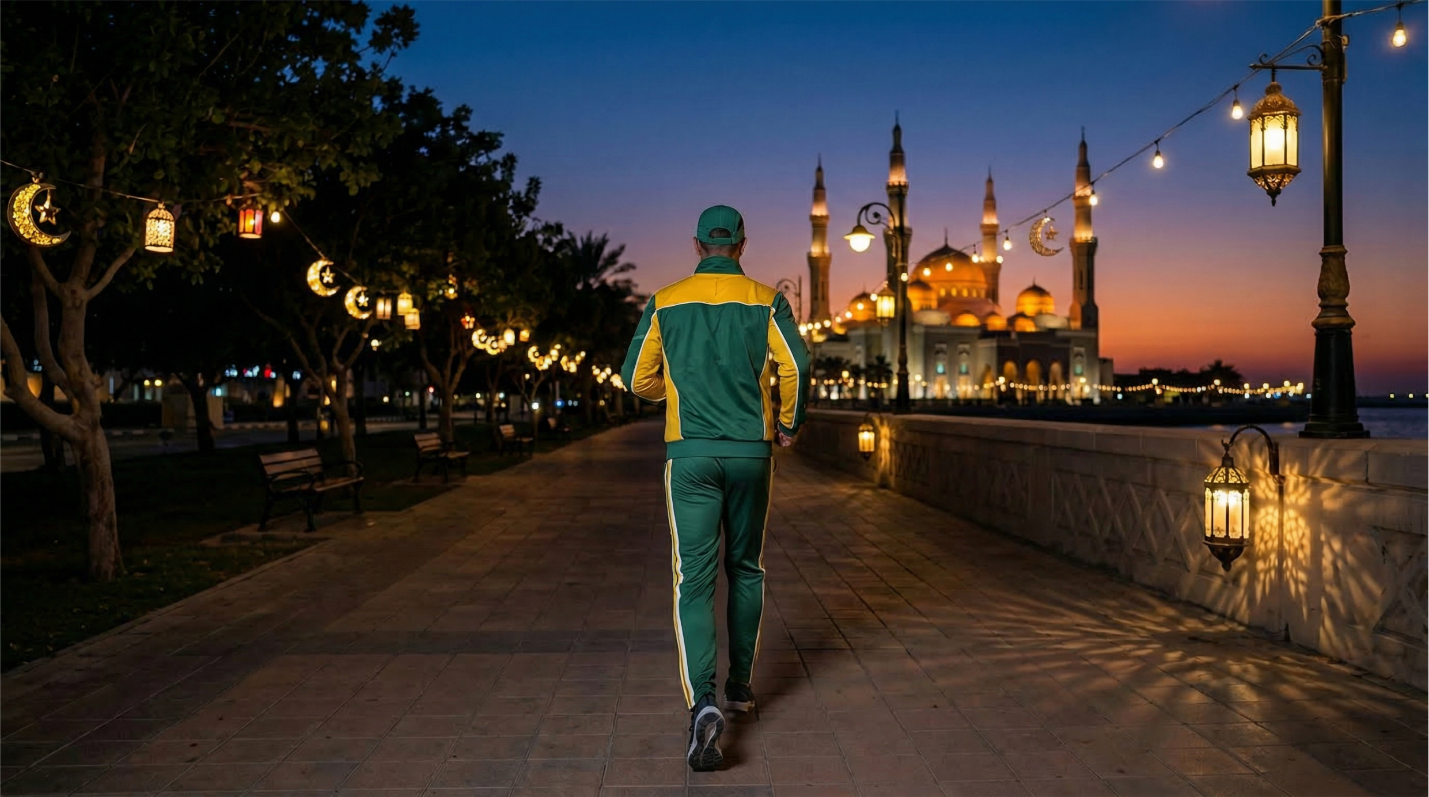
For millions of athletes and fitness enthusiasts worldwide, Ramadan presents a unique challenge: maintaining physical performance while observing the fast from dawn to dusk. However, with strategic planning and smart execution, it is entirely possible to stay fit, preserve muscle mass, and even make fitness gains during this sacred month.

Understanding the Challenge
The physiological demands of fasting create a distinct environment for your body. With no food or water intake for 12-16 hours depending on geographic location, your body shifts into a catabolic state, utilizing stored glycogen and fat for energy. Dehydration becomes a primary concern, particularly for those in warmer climates or those maintaining active lifestyles. The key to success lies in maximizing the non-fasting window for nutrition, hydration, and strategic exercise.
Nutrition Strategy: Fuel for Performance
Sehri: The Pre-Dawn Meal
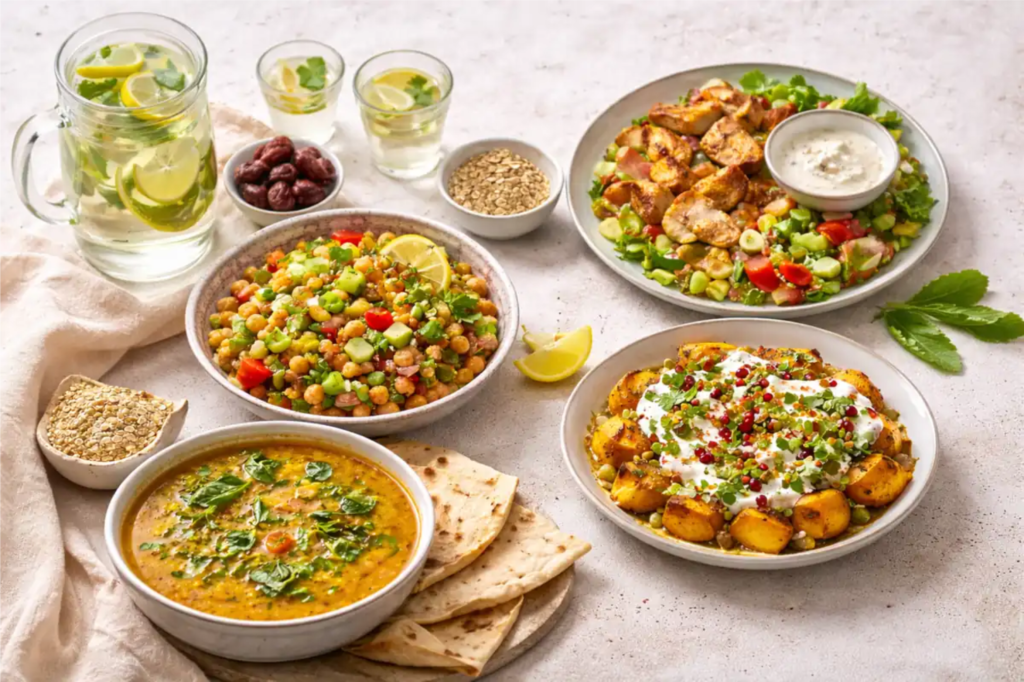
Sehri is your metabolic foundation for the day. Prioritize complex carbohydrates that provide sustained energy release—oatmeal, whole wheat roti, whole wheat paratha made in desi ghee are excellent choices. Include high-quality proteins such as eggs, unprocessed yogurt, or lean meats to support muscle preservation. Healthy fats from nuts, avocados slow digestion and prolong satiety. Avoid salty and sugary foods and drinks that accelerate dehydration and cause rapid energy crashes.
Iftar: The Breaking Fast Meal
Break your fast with easily digestible foods. Traditional dates and water are ideal—they provide quick glucose and initiate rehydration. After Maghrib prayers, consume a balanced meal featuring lean proteins, complex carbohydrates, and abundant vegetables. This is also the optimal time for your primary protein intake if muscle maintenance is a priority. Avoid oily/ greasy foods at all costs. Intake of seasonal fruits must be ensured.
Hydration: Your First Priority
Dehydration poses the greatest threat to athletic performance during Ramadan. Aim for a minimum of 2-3 liters of water between Iftar and Sehri, consumed gradually rather than in large volumes at once. Electrolyte-rich beverages can help maintain sodium and potassium balance.

Exercise Timing and Programing
Pre-Iftar Training (30-60 minutes before sunset)
This timing allows immediate refuelling post-workout. Suitable for moderate-intensity cardio or lighter resistance training. Keep sessions under 60 minutes and maintain moderate intensity levels. The primary advantage is psychological—you can push knowing food and water are imminent.
Post-Iftar Training (120 minutes after breaking fast)
The optimal window for high-intensity training and heavy resistance work. Your body is refuelled, rehydrated, and primed for performance. This is when strength athletes should schedule their main lifting sessions. Ensure adequate digestion time to avoid discomfort.
Late Night Training (2-3 hours before Sehri)
Provides the benefit of immediate post-workout nutrition at Sehri. Ideal for those who cannot train in the evening due to work or family commitments. However, it may compromise sleep quality, so monitor your recovery carefully.
Training Modifications
Reduce training volume by approximately 20-30% but maintain intensity where possible. Focus on compound movements that provide maximum stimulus with minimal volume. Strength athletes should prioritize maintaining loads rather than progression. Endurance athletes should favour tempo over distance. Consider reducing training frequency to 3-4 sessions weekly to allow for adequate recovery. Listen to your body—fatigue, dizziness, or unusual weakness are signals to reduce intensity or rest.
Recovery and Sleep Management
Sleep disruption is inevitable during Ramadan, but strategic management can minimize its impact. Aim for a minimum 6 hours of continuous sleep plus a 30-45 minutes afternoon nap. If training late, allow at least 90 minutes before sleep for physiological wind-down. Recovery techniques such as foam rolling, stretching, and massage become even more critical. Consider reducing high-intensity training in the final week of Ramadan when cumulative fatigue typically peaks.
Common Mistakes to Avoid
Over-training is the most prevalent error—many athletes fail to adjust their programs for reduced recovery capacity. Inadequate protein intake leads to muscle loss, while complete training cessation causes unnecessary deconditioning. Consuming excessive sugary foods at Iftar creates energy crashes and increases fat gain. Training in extreme heat while fasting is dangerous and should be strictly avoided. Finally, neglecting sleep in favour of social activities severely compromises recovery.
The Bottom Line
Ramadan and fitness are not mutually exclusive. With intelligent planning, strategic timing, and realistic expectations, you can maintain your fitness levels and even make modest improvements. The key principles are: prioritize hydration, optimize nutrition quality over quantity, adjust training volume while maintaining intensity, and ensure adequate recovery. Remember that Ramadan is ultimately a month of spiritual growth—if training interferes with your religious observance, do not hesitate to adjust your fitness commitments accordingly. Your body’s response to fasting is individual, so remain flexible and responsive to your unique needs.
#sport, #games, #athlete, #magazine, #youth, #action, #lifestyle, #speed, #energy, #talent, #Pakistan, #PakYouth, #PakSports, #wellness, #health, #wellbeing, #nutrition #life, #longevity, #enjoy, #joy, #passion, #positive, #pride, #ramzan, #healthandfitness, #plan
Leave a Reply