

From mountain climbs to velodrome sprints, cycling remains one of the world’s most demanding and tactically rich disciplines.
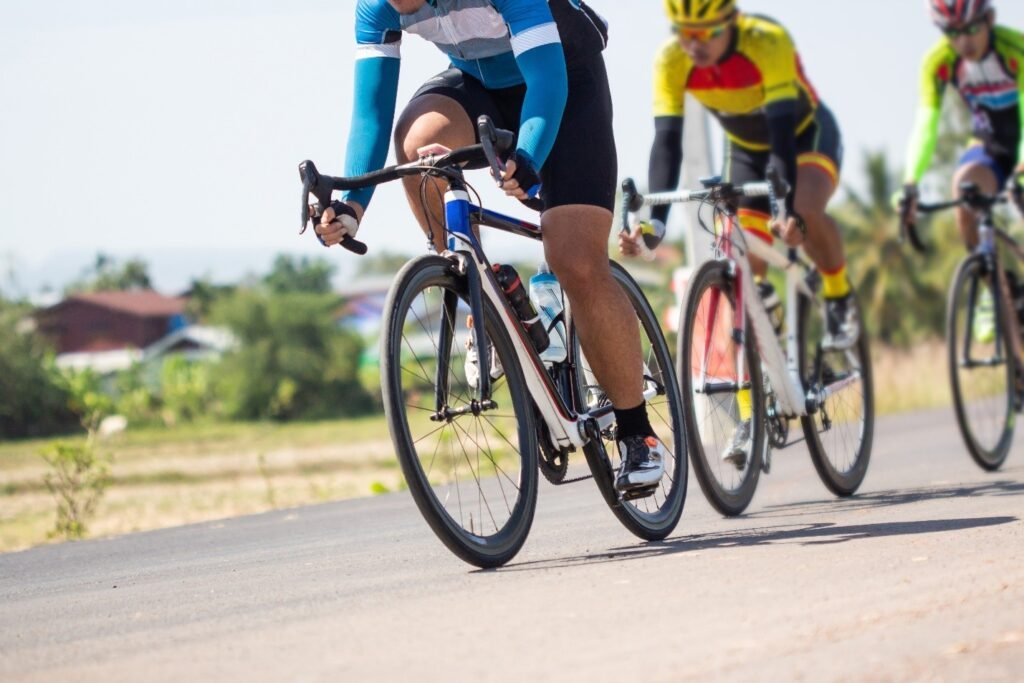
Few sports demand as much from the human body and mind as cycling. It is a contest of raw power and aerodynamic precision, of pain management and team tactics, played out across some of the world’s most dramatic landscapes. Whether it is the soaring alpine passes of the Tour de France, the bone-shaking cobblestones of Paris-Roubaix, or the explosive sprint finishes on a velodrome track, cycling offers a spectrum of challenge that few other sports can match.
A Sport With Deep Roots
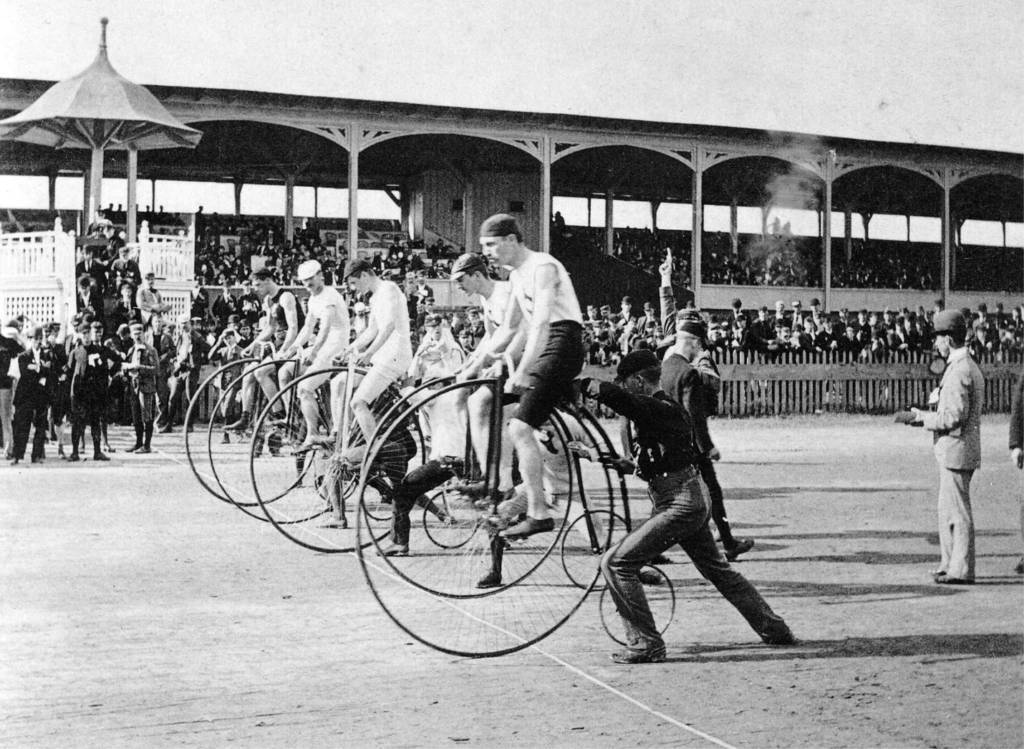
Competitive cycling dates to the 1860s, when the first recorded race — covering 1,200 metres in Paris — was won by an Englishman, James Moore, in 1868. By the close of the 19th century, the sport had spread across Europe and was already drawing massive crowds. The inaugural Tour de France in 1903 cemented cycling’s place in the global sporting imagination, a position it has never relinquished.
Today, professional road cycling operates under the governance of the Union Cycliste Internationale (UCI), which oversees a global calendar of races, World Championships, and the Olympic programme. The sport’s commercial value has grown considerably, with top teams backed by major international sponsors and races broadcast to hundreds of millions of viewers worldwide.
The Many Faces of the Sport
Road Cycling
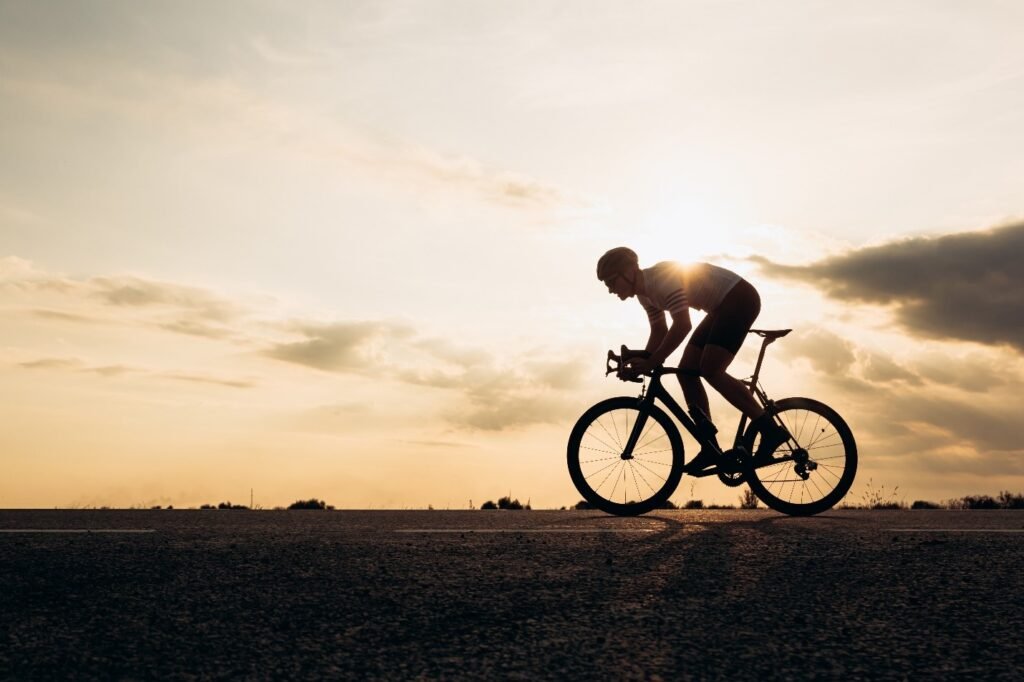
Road cycling is the sport’s most visible discipline. Grand Tours — the Tour de France, the Giro d’Italia, and the Vuelta a España — represent the pinnacle of the road calendar. These three-week races traverse thousands of kilometres and test riders across every terrain, demanding climbers, time trialists, and sprinters in equal measure. One-day Classics such as Milan-San Remo and the Tour of Flanders carry equal prestige, rewarding the tactically astute and the physically relentless.
Track Cycling
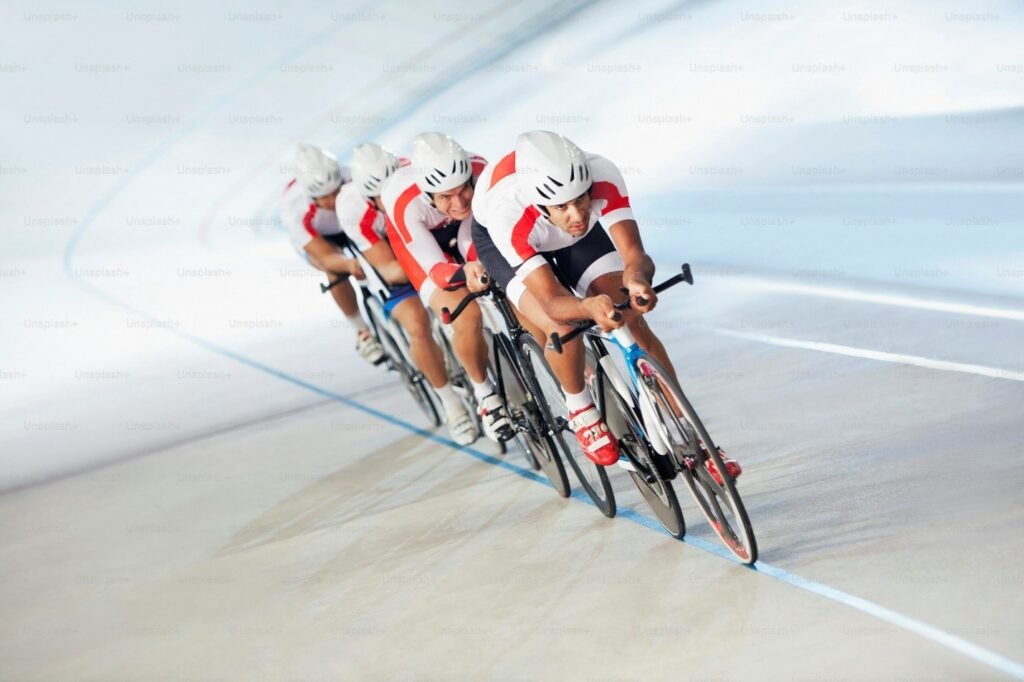
Inside the velodrome, cycling transforms into a theatre of speed and precision. TrTrack cycling has produced some of the sport’s most decorated Olympians, with nations like Great Britain and France dominating the discipline at the highest levels.
Mountain Biking
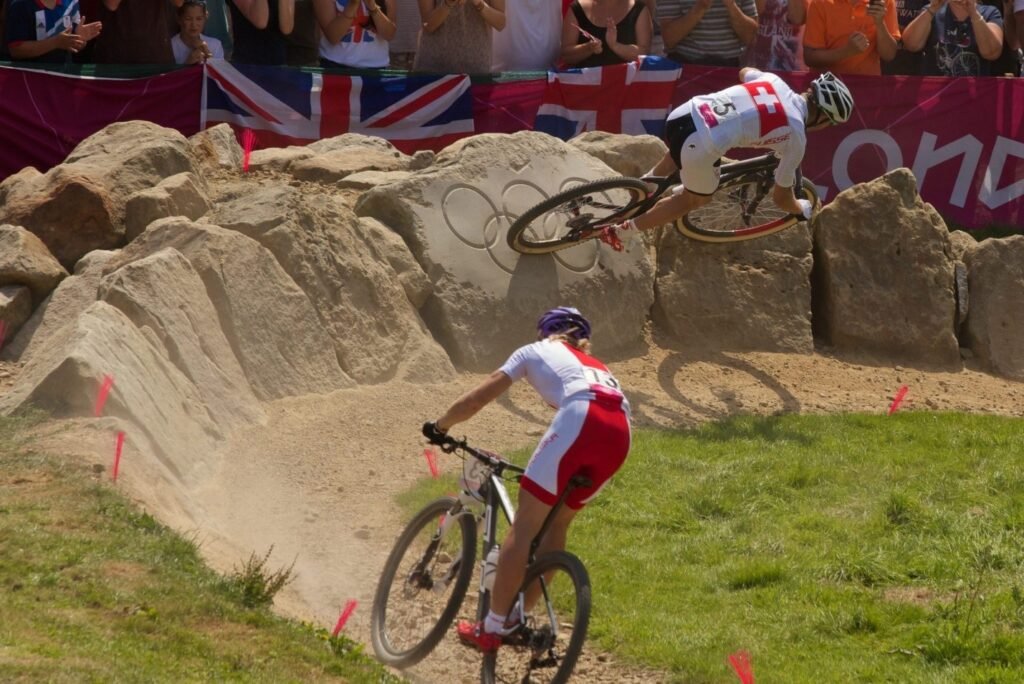
Mountain biking, granted full Olympic status in 1996, tests technical skill and physical courage in equal measure. Cross-country (XCO) events favour endurance and bike handling across rugged terrain, while downhill (DH) events see athletes descend treacherous slopes at speeds exceeding 80 kilometres per hour. The discipline continues to grow in global popularity, driven in part by the rise of e-mountain biking as a recreational gateway.
Cyclo-Cross and Gravel Racing
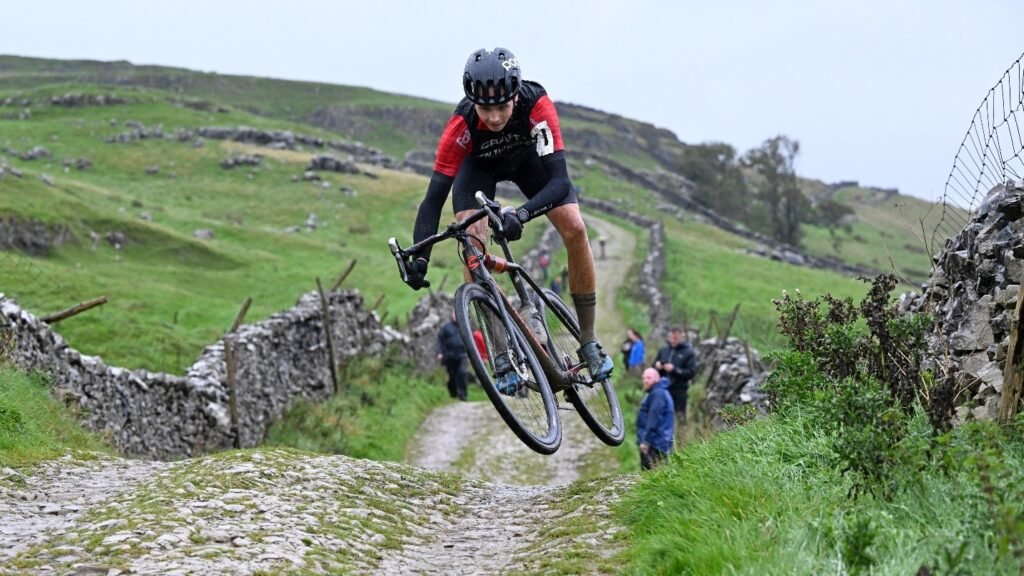
Cyclo-cross — raced on short, obstacle-filled circuits in autumn and winter — has long been a European staple. Gravel racing, a newer and rapidly expanding format, takes riders onto unpaved roads and wilderness tracks, blending the demands of road and off-road cycling.
The Science of Performance

Modern cycling is as much a science as a sport. Teams employ nutritionists, bio-mechanists, physiologists, and data analysts to squeeze every marginal gain from their riders. Power meters provide real-time performance data during races, while wind-tunnel testing and computational fluid dynamics inform equipment and positioning choices.
The concept of watts per kilogram — a rider’s power output relative to body weight — has become the primary currency of performance analysis. Elite climbers routinely sustain outputs above 6 watts per kilogram for extended efforts, figures that represent the outer boundary of human physiological capacity.
Advances in equipment have transformed the sport in recent decades. Carbon-fibre frames, disc brakes, electronic gear-shifting, and aerodynamic deep-section wheels have all contributed to faster, more reliable racing. Tyre technology, too, has evolved significantly, with tubeless setups now commonplace at the professional level.
Tactics and Team Dynamics
Cycling is unique among endurance sports for the primacy of teamwork. In a professional road race, a team of eight riders typically organises itself around a designated leader, with domestiques — support riders — responsible for pacing, fetching nutrition, shielding from wind, and responding to attacks by rival teams. The peloton, that tightly packed mass of riders, operates by a shared aerodynamic logic: sitting in the draft of the rider ahead reduces energy expenditure by up to 30 per cent.
Race strategy unfolds over hours and hundreds of kilometres, with ongoing communication with riders via race radio. The decision of when to attack, when to conserve, and when to sacrifice individual ambition for the team’s collective goal defines the sport’s deepest appeal. Cycling rewards intelligence as much as athleticism.
Global Growth and the Future
Cycling’s global footprint is expanding for both men and women cyclists.
Emerging markets in Asia, the Americas, and Africa are producing competitive talent. Sustainability is emerging as another defining theme. Races are adopting carbon-neutral pledges, teams are reducing travel emissions, and the cycling industry — already well-positioned given the bicycle’s environmental credentials — is investing in green manufacturing processes.
#sport, #games, #athlete, #magazine, #youth, #action, #lifestyle, #speed, #energy, #talent, #Pakistan, #PakYouth, #PakSports, #wellness, #health, #wellbeing, #nutrition #life, #longevity, #enjoy, #joy, #passion, #positive, #pride, #cycling, #mountaincycling, #speed, #ridecycle, #bicycle, #biking, #mountainbiking, #trackcycling
Leave a Reply