
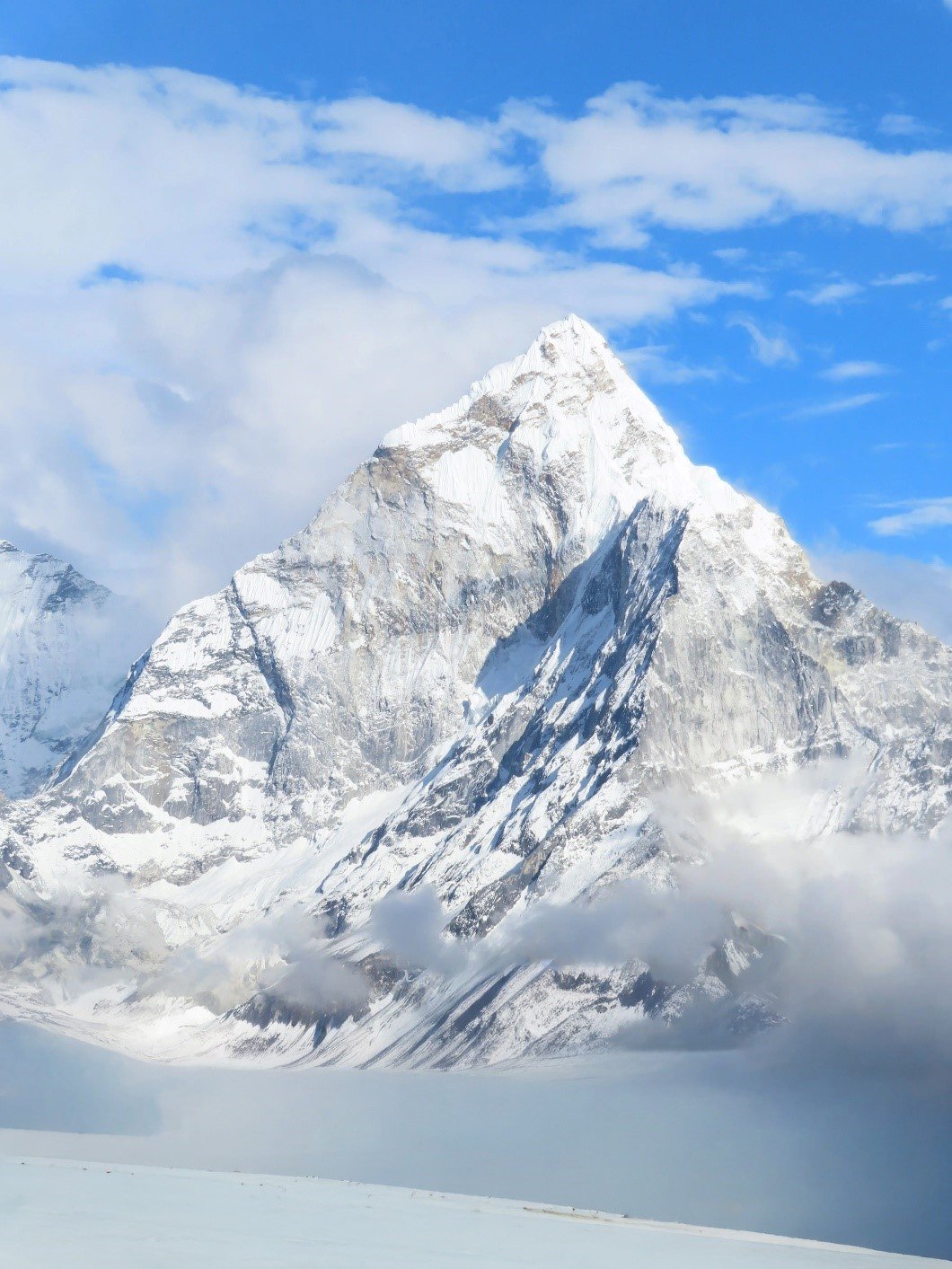
Introduction: A Sleeping Giant in the Peaks
While the world’s elite converge annually on the slopes of Switzerland, Austria, and Colorado, a nation blessed with five of the world’s fourteen highest peaks
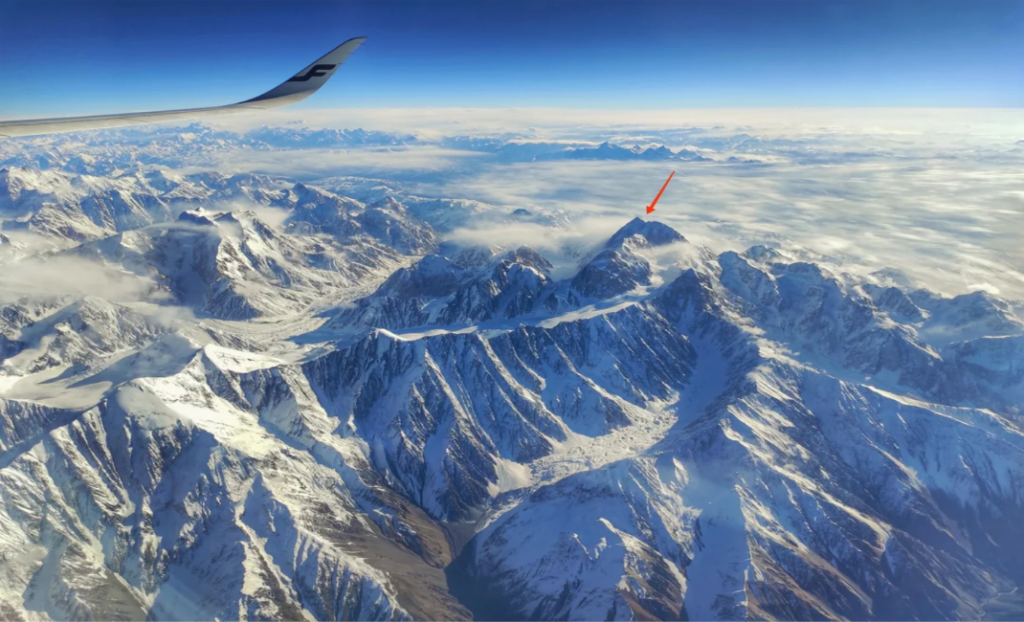
remains conspicuously absent from the global winter sports conversation. Pakistan’s northern territories—home to the mighty Karakoram, Hindu Kush, and western Himalayan ranges—represent one of the most spectacular untapped frontiers in winter athletics. As the global winter sports industry continues to grow at a phenomenal pace, the question is not whether Pakistan can compete, but rather how swiftly it can harness its geographic fortune before others recognize what lies hidden in plain sight.
The Winter Sports Renaissance: Beyond Traditional Boundaries
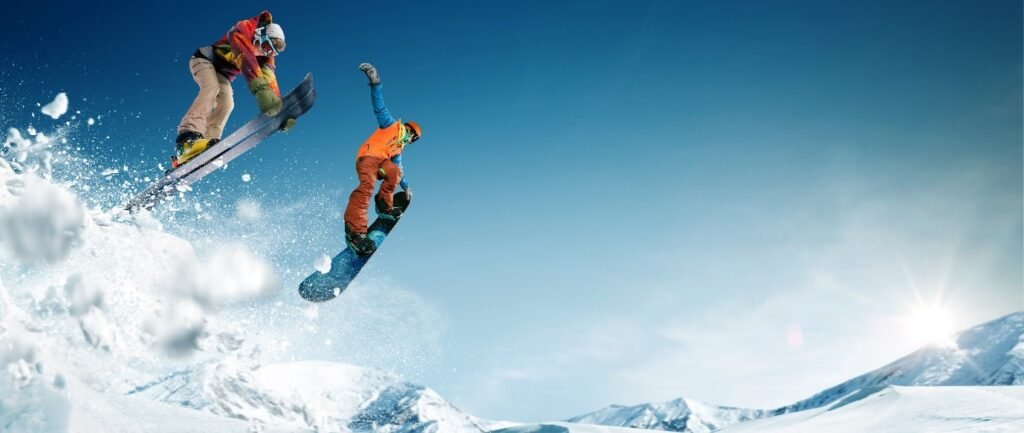
A Market in Transformation
The winter sports industry has undergone a remarkable metamorphosis over the past two decades. No longer confined to the traditional Alpine bastions of Europe and North America, emerging markets across Asia have demonstrated that winter sports excellence can be cultivated anywhere snow falls and ambition rises. China’s investment of over $150 billion in winter sports infrastructure ahead of the 2022 Beijing Olympics exemplifies how nations are leveraging cold-weather athletics for economic diversification, tourism revenue, and international prestige.
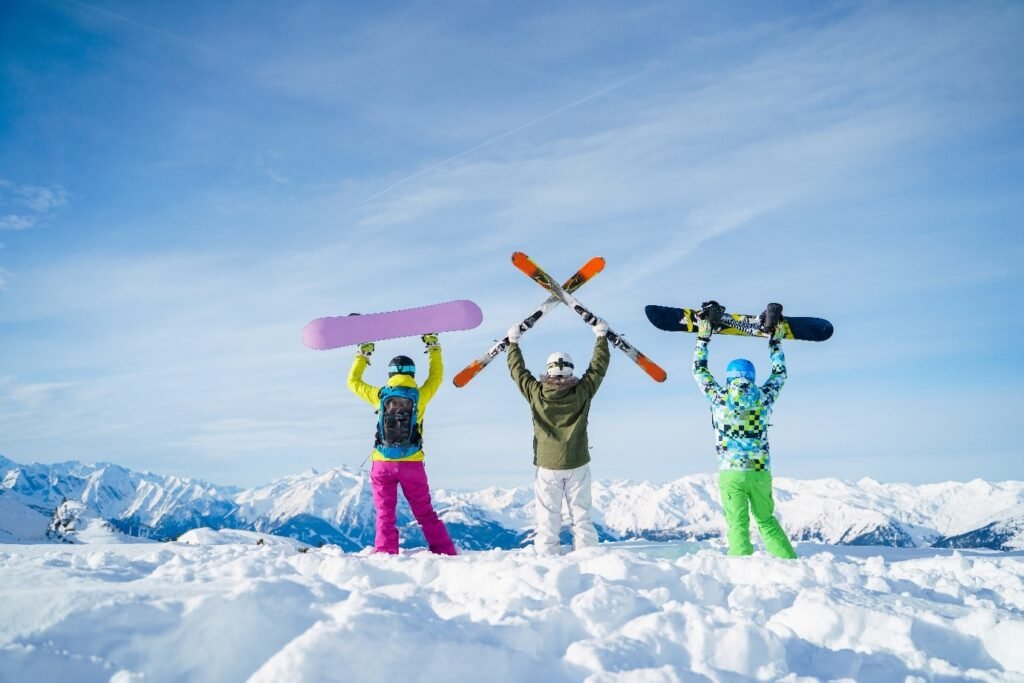
The numbers tell a compelling story. Global participation in winter sports has grown by 40% since 2010, with Asia accounting for the fastest-growing demographic.

Diversification Beyond the Slopes
Contemporary winter sports extend far beyond traditional skiing. Ice hockey commands a global market. Figure skating, speed skating, curling, and emerging disciplines like snowkiting and winter mountaineering create multiple pathways for nations to establish competitive presence. This diversification lowers entry barriers—countries need not excel in every discipline to build credible winter sports credentials.
Pakistan’s Geographic Advantage
The Infrastructure Already Exists—Naturally

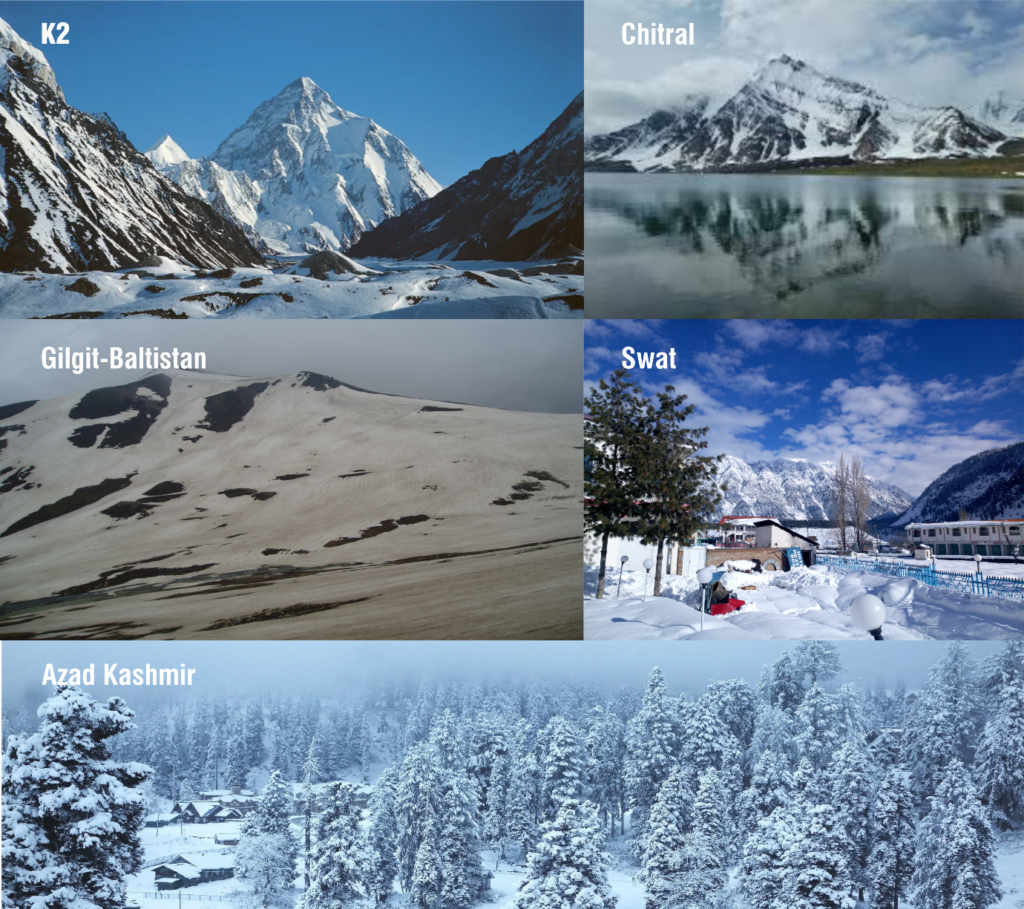
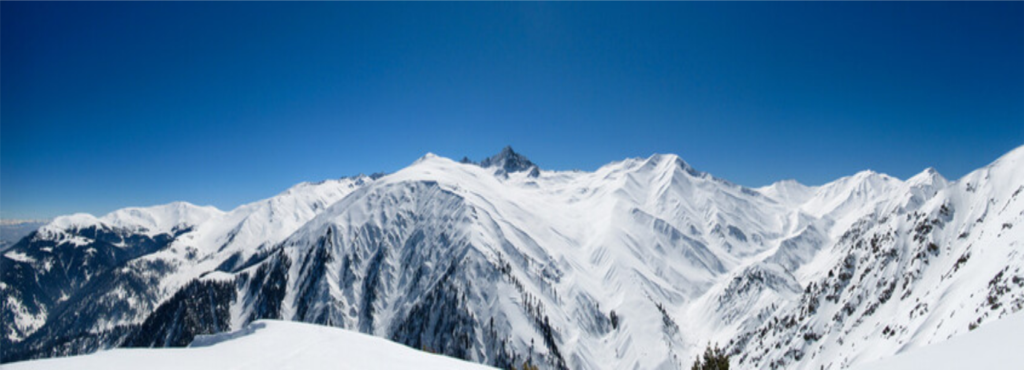
Pakistan’s topographic endowment is staggering. The Karakoram Range alone hosts four of the world’s fourteen 8,000-meter peaks, including K2. The Hindu Kush provides consistent snowfall across elevations ranging from 2,000 to 7,000 meters. Districts like Chitral, Swat, Gilgit-Baltistan, and Azad Kashmir receive substantial winter precipitation, creating natural ski corridors that rival established international destinations.
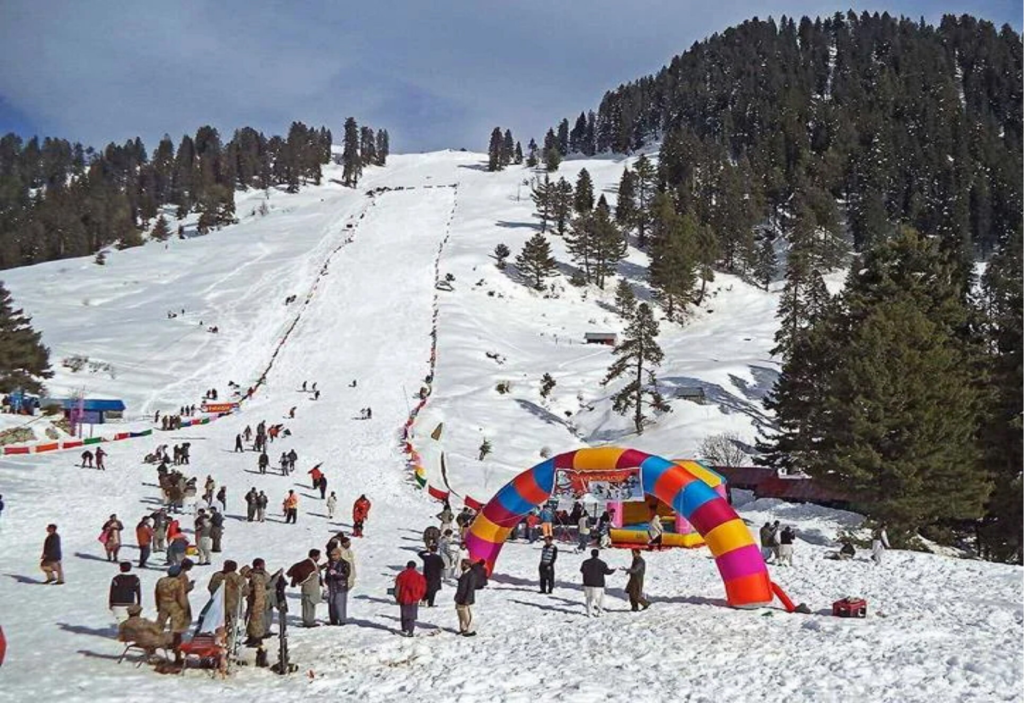
The Malam Jabba ski resort in Swat, despite limited investment and periodic security challenges, proves the concept’s viability. When operational, it attracts thousands of domestic tourists annually. Imagine this potential multiplied across a dozen purpose-built facilities strategically positioned throughout Pakistan’s northern crescent.
The Economic Imperative: Tourism’s Trillion-Rupee Promise
Capturing the Adventure Tourism Wave
Contribution of tourism sector towards the national GDP can increase significantly should the winter sports development be pursued professionally. Nepal, with similar mountainous geography, generates considerable dividends from mountain tourism, much of it during trekking seasons. Pakistan’s winter sports potential represents an untapped seasonal complement to its growing adventure tourism sector.
International winter tourists spend significantly more per capita than general tourists. Developing even three world-class winter sports destinations could attract a rapidly rising number of international visitors, injecting valuable money into local economies.
The Domestic Market First
Pakistan’s burgeoning middle class, represents an enormous domestic market. Currently, affluent Pakistanis travel to Dubai’s indoor ski facilities or European resorts, exporting millions in tourism revenue. Capturing even a portion of this demand domestically would justify substantial infrastructure investment while building the operational expertise needed for international competitiveness. As the domestic market expands, this will create numerous employment and business opportunities.
Strategic Pathways to Development
Public-Private Partnership Models
Successful winter sports nations leverage hybrid funding models. Pakistan may consider public-private partnership model. Initial government investment in access infrastructure—roads, utilities, avalanche control systems—can attract private capital for resort development, equipment manufacturing, and service provision.
Grassroots Development and Talent Identification
Sustainable winter sports cultures begin at the community level. Pakistan must invest in school-based programs across northern regions, identifying athletic talent early while cultivating recreational participation. The Norwegian model—where winter sports are integrated into physical education curricula—has produced consistent Olympic success despite a population of just 5.4 million.
Mobile training facilities, seasonal coaching programs, and talent scouts operating in remote valleys can unearth raw talent. Pakistan already produces world-class mountaineers; this demonstrates the genetic and cultural foundation for winter sports excellence exists.
Regulatory Framework and Safety Standards
Pakistan must adopt rigorous safety protocols, environmental standards, and instructor certification programs. This professionalization protects participants while signalling serious intent and credibility to international observers.
Environmental Stewardship: Development Without Destruction
The cautionary tales of over-developed Alpine resorts—environmental degradation, destroyed ecosystems, water resource depletion—must inform Pakistan’s approach. Sustainable development principles, strict environmental impact assessments, and community involvement in planning processes can prevent repeating others’ mistakes.
Pakistan’s winter sports development should emphasize low-impact infrastructure, renewable energy systems, waste management protocols, and ecosystem preservation. This approach not only protects invaluable natural resources but creates marketing distinction—positioning Pakistan as the sustainable alternative to over-commercialized destinations.
The Geopolitical Dividend
Winter sports carry soft power implications that transcend athletics. Hosting international competitions, training foreign athletes, and producing Olympic medalists elevates national profiles and shapes global perceptions. Pakistan’s winter sports development could similarly reshape international narratives.
Regional cooperation presents additional opportunities. Joint South Asian Winter Games, collaborative training programs with Central Asian republics, and partnerships with established winter sports nations create diplomatic channels while accelerating development.
Conclusion: The Summit Awaits
Pakistan stands at an inflection point. Its mountains have always been there, silent witnesses to human ambition and endurance. The question is whether Pakistan is ready to transform geographic blessing into strategic asset.
The infrastructure investment required is significant but if the venture is crafted professionally, advice of experts is sought, sports management is recognized as a full-fledged lifeline for the operational success, tourism integration is impactful, the private sector investment will complement the seriousness of the government. The returns will outweigh the investment. Beyond economics, winter sports development addresses youth employment, regional development, and national pride. It diversifies an economy overly reliant on traditional sectors while positioning Pakistan as a serious player in one of the fastest-growing segment of global sports.
The slopes are pristine, the potential unlimited, and the moment opportune. Pakistan need not become the top ranked winter sports destination overnight, but it must begin the ascent. Every journey to the summit begins with a single, deliberate step—or in this case, a single, deliberate glide down the mountain.
The world’s winter sports map has a Pakistan-shaped gap waiting to be filled. It’s time to claim what geography has graciously provided!
#sport, #games, #athlete, #magazine, #youth, #action, #lifestyle, #speed, #energy, #talent, #Pakistan, #PakYouth, #PakSports, #wellness, #health, #wellbeing, #nutrition #life, #longevity, #enjoy, #joy, #passion, #positive, #pride, #winter, #mountains, #hills
Leave a Reply